
What's the point in Museums? | RNZ
What’s the point in museums?
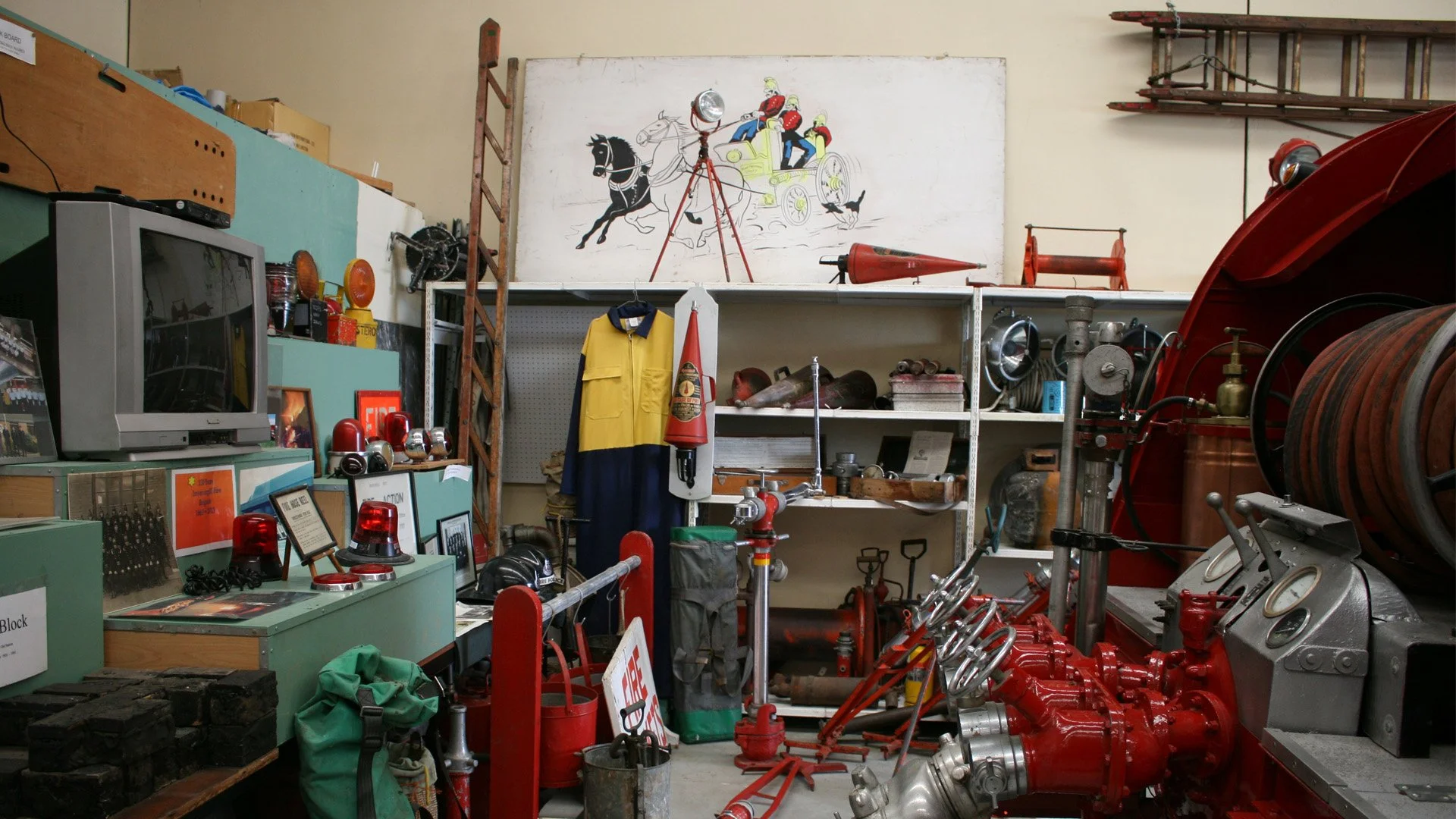
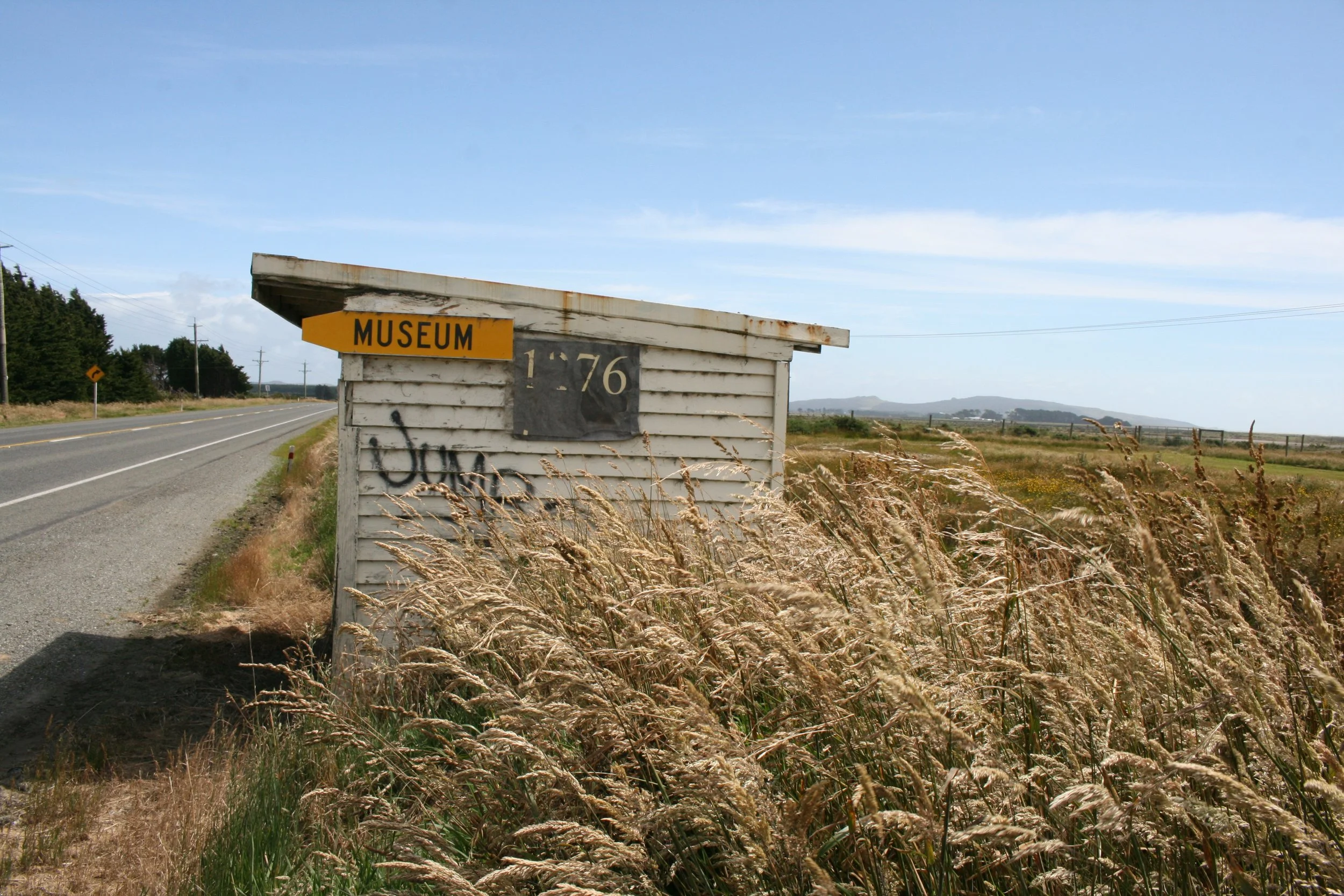
Museums are often thought of as large buildings in central city locations. In New Zealand, however, the reality is quite different. The majority of our museums are either micro (volunteer-led) or small (1–5 FTE staff), and we have an extraordinary number of them across the country.
This reflects something important: museums are not just buildings. In New Zealand, most of our museums are communities coming together to share and celebrate their arts, culture, and heritage. It is people contributing significant time, money, and commitment to preserving and projecting their own stories. A museum is a purpose, not a building — and that purpose must respond to its place and community.
While our national dialogue often centres on large, centralised museums, it is in the smaller museums embedded in their communities that the true richness of our museum landscape is revealed. All museums have the opportunity to deepen their relevance by ensuring stories are told with communities rather than about them. By creating spaces where people share their own histories and perspectives, museums foster inclusion, connection, and pride.
It is also important to resist reducing museums to a measure of visitor numbers through the front door of the building. So many of our institutions exist because communities themselves created and sustain them. That work is demanding, and it shows remarkable determination: the drive of people across the country to connect, to remember, and to shape identity through story.
The uniqueness of our museum landscape deserves to be recognised, celebrated and shared. It is a landscape built not only on collections, but on incredible commitment and perseverance. It thrives not because of imposing buildings, but because communities — large and small, rural and urban — insist on the importance of telling their own stories in their own ways. That is the point in museums.
There is currently a lot of discussion about the removal of art history from our schools, and yes, I did study art history at school and later throughout my tertiary study. So, while these important dialogues are circulating, I will advocate for what I believe is currently a critical gap in young people’s learning in NZ.
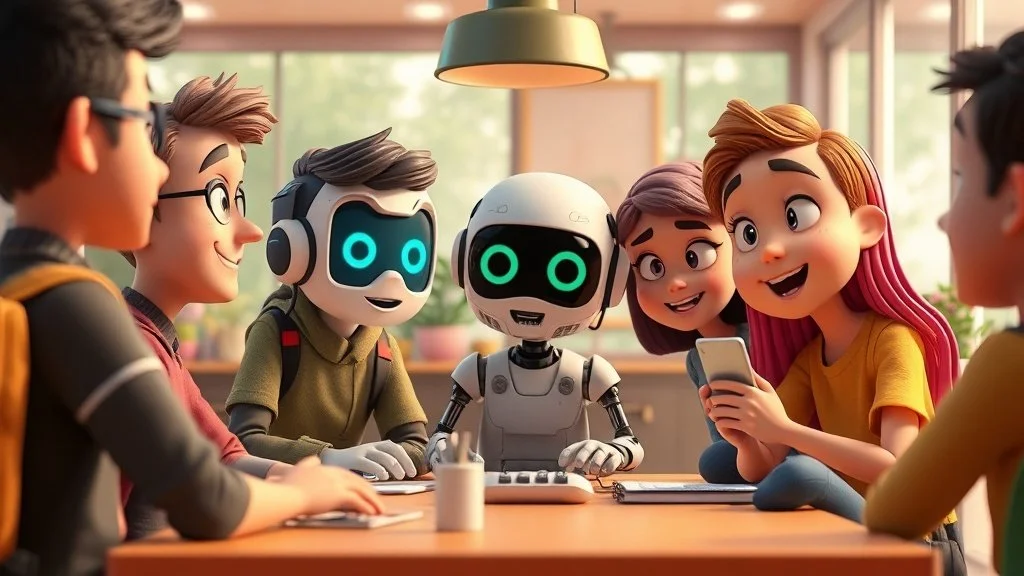
Having had the pleasure of working with thousands of young people making the transition to tertiary education over the years, I have noted a critical gap that is only becoming more urgent: the lack of systematic media literacy training.
Young people are surrounded by media from the moment they wake up to the moment they fall asleep. News feeds, social platforms, advertising, podcasts, influencers, and increasingly, AI-generated content shape how they see themselves and the world. Yet for many, the ability to critically question and navigate this landscape is left to chance.
While some schools offer Media Studies, this is not enough. Media literacy should not be optional—it is a core competency for life in the 21st century. Just as we teach students to read books, solve equations, or understand science, we must also teach them to read the media world they live in every day.
Why does this matter?
Democracy depends on it. A population unable to distinguish credible reporting, misinformation, and AI-driven fakes is vulnerable to polarisation.
Wellbeing depends on it. Young people need tools to recognise harmful patterns and build resilience in the face of persuasive algorithms.
Economic futures depend on it. Every career now intersects with digital and AI-driven communication.
Culture depends on it. Media is where our stories live, identities are expressed, and values debated.
Media literacy equips learners with critical thinking, creative production, and ethical awareness. It asks questions such as:
Who created this—or was it AI—and why?
What techniques or algorithms are used to influence me?
Whose perspectives are excluded?
How does this content make me feel, and why?
Without these skills, we risk raising generations who consume without question, who struggle to separate fact from opinion, and who are unprepared for the realities of an AI-driven society.
The urgent need is clear: media literacy must be embedded across schooling, not as an elective but as a foundation. Imagine if every learner graduated able to analyse both human and AI-created content, create responsibly, and engage constructively in the digital public sphere. The benefits would extend far beyond the classroom—to stronger communities, healthier democracies, and more empowered young people.
It’s time to treat media literacy as seriously as reading, writing, and maths. In today’s world, it is just as fundamental.
Right now:
80% of people working in the creative industries don’t hold formal creative qualifications.
Over 80% of those who do earn creative qualifications do not enter the sector.
This mismatch shows that while our education system produces talented graduates, it doesn’t always connect them to the industry where their skills are most needed. Yet the creative sector is now New Zealand’s fourth biggest export earner, more productive than agriculture, and central to our identity on the world stage.
So what if vocational education became a bridge—connecting learners to the real-world creative economy in all its forms?
Imagine if…
Every qualification is a pathway. Certificates, diplomas, and degrees are stackable credentials completed while in work, rather than requiring long periods away. Institutions act as conduits, co-creating programmes with industry so learning serves both learners and sector needs.
Industry engagement is consistent nationwide. All programmes have industry advisory groups that support a steady stream of emerging professionals transitioning into work. Imagine if embedded, active partnerships were the norm everywhere.
Alumni networks are part of the ecosystem. Alumni who are in industry are connected back to those entering, creating a living bridge where knowledge, mentorship, and opportunity flow both ways.
Education keeps pace with change. Institutions iterate quickly, co-designing micro-credentials & short courses with industry so learners stay relevant.
Mentorship and lived knowledge are embedded. Structured mentoring connects learners to practitioners who pass on tacit skills, networks, and sector insights.
Learning happens in work, not apart from it. The industry itself is the classroom—an incubator of innovation shaping NZ’s creative, cultural and economic future.
Much like any sector, creative industries learning must be grounded in the real world of work. That’s how we ensure learners don’t just earn qualifications—they find meaningful, sustainable careers.
The opportunity is here. The question is: what if we designed creative industries education to be as dynamic, adaptive, and innovative as the industries it serves?
Read the article: Creative sector NZ’s fourth biggest export, more productive than agriculture, report finds | The Post
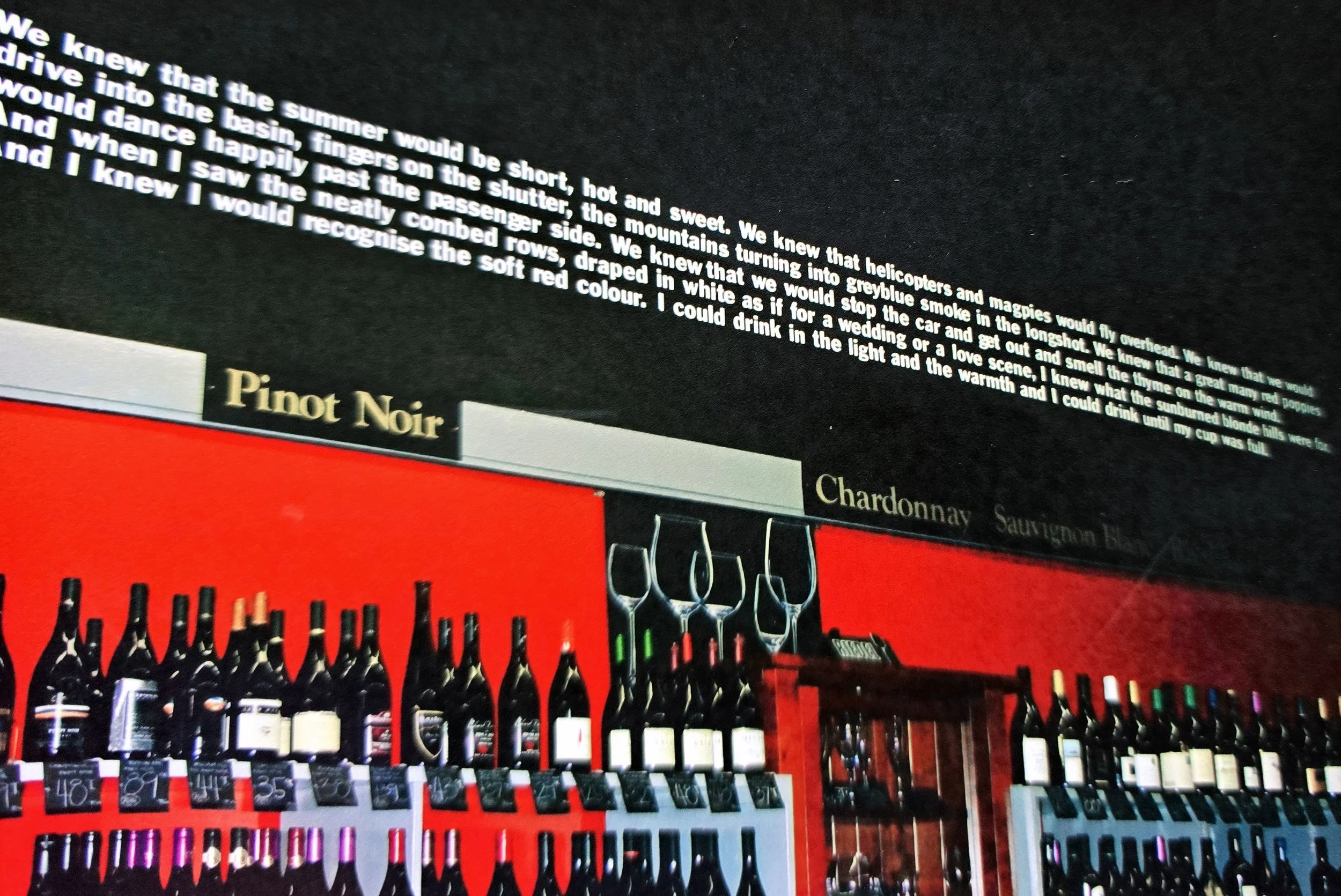
The word ‘curated’ is everywhere—applied to playlists, menus, even wardrobes. Far from a cliché, this signals aspiration: people are searching for meaning, coherence, and connection. For those developing curatorial skills, it’s an opportunity to shape experiences that go beyond selection, by cultivating literacy in space and place.
At art school, curatorial practice wasn’t explicitly taught. We explored concepts through theory but were encouraged to follow our own research. For me, that meant interrogating space and place through practice.
Many associate curatorial work with galleries and museums—white-walled, neatly organised spaces reimagined for audiences. This is an important mode of practice; one I also engage with. But it wasn’t where I began. Those spaces were largely inaccessible to emerging professionals, so I started working across unconventional sites—cafés, offices, public spaces, empty retail venues, and community billboards.
What I learned was pivotal: curatorial practice isn’t about portable objects slotted into blank spaces. It’s about using space and place as a medium, transforming environments into context-specific experiences for the people who move through them.
This applies beyond cultural work. The spaces we traverse daily are curated to some extent, shaping how we navigate and engage with the world. Curatorial skills sharpen our ability to read these environments and reshape them for meaning, accessibility, and connection.
Curatorial skills are often undervalued outside of museum environments, yet they translate across industries:
🔹 Spatial literacy: Reading and interpreting environments to shape them for accessibility, equity, and representation, so more people see themselves reflected.
🔹 Contextual storytelling: Weaving narratives and ideas inseparably with space and place, anchored in histories and communities.
🔹 Audience-centred engagement: Recognising that spaces are lived and felt, adapting experiences for resonance and connection.
🔹 Cross-disciplinary collaboration: Engaging architectural, historical, social, and cultural knowledge to enrich place-based work.
🔹 Ethical responsibility: Considering whose stories are privileged, whose are absent, and how authority is exercised in space, place, and experience.
For emerging professionals across creative and cultural industries, practice-based curatorial experience is invaluable—shaping context specific physical or digital experiences. It builds adaptability, co-creation skills, and the ability to frame meaningful encounters through space and place wherever people engage with ideas or stories.
In a world saturated with content but hungry for connection, curatorial literacy offers a way forward. For me, it began with transforming overlooked sites. Today, the opportunity is wider: to use curatorial skills to connect people, place, and meaning wherever they meet.
Artwork: Rainy McMaster (in Dunedin bottle store).
Museums have always been producers of content and education. But there’s never been a better time to capitalise on the shift away from centralisation toward more dynamic, diverse ways of connecting with audiences. Whether your museum is volunteer-run or equipped with a professional production team, the opportunity is now. With limited and low-cost tools, even the smallest museum can reach a global audience—no matter how niche its collections or stories.
And if your organisation lacks expertise, there is an incredible diversity of free online resources to help you get started. You can also engage digital natives through internships or placements—essential pathways for young professionals to hone their craft and build new skills. Your museum has value, and it’s time to recognise it.
The Tank Museum shows what’s possible when a museum fully embraces video. With a professional production team, it has built one of the world’s most successful museum YouTube channels—transforming a highly specialised subject into global entertainment and education. I never imagined I’d find the history of tanks so compelling until I engaged with their content. That’s the power of storytelling: it makes people care about subjects they never thought were for them.
This shift speaks directly to education. Learners today expect to design their own journeys—choosing what, when, and how they engage. Centralised classroom-based education has significant limitations, creating a gap that museums can fill. Want to understand the gaps your museum could address? Engage with your communities, listen to their needs, and build learning solutions that matter.
The possibilities are rich: educate and entertain through video, create immersive experiences with animation, gamify learning to make it interactive, collaborate with education providers, offer modular online courses, hybrid models, flexible pathways, or short stackable modules. When developing your content strategy, remember media and entertainment have a lot to teach us about audiences and storytelling. Watch, learn, and adapt. Museums—keepers of deep knowledge—can deliver compelling, relevant, and globally accessible content that meets audiences where they are.
The opportunity is here, and the movement is already happening. Will your museum choose to be part of it?
#MuseumInnovation #DigitalStorytelling #OnlineEducation #GamifiedLearning #CulturalInfluence #FutureOfMuseums
As funding models tighten, the strength of arts, culture, and heritage increasingly depends on community-driven, decentralised approaches. By embracing diversity and collaboration, regions can turn cultural assets into stories that resonate locally and globally.
In Catalonia, the Barcelona Provincial Council Local Museum Network brings together 65 museums across 51 municipalities. The network fosters a dynamic, multidisciplinary museum model, turning museums into accessible public service centres. By collaborating across municipalities, they pool resources and expertise, creating richer exhibitions, broader audiences, and a stronger regional identity.
In Massachusetts, the Berkshire Arts and Culture Alliance (BACA) unites ten major institutions, including MASS MoCA and the Norman Rockwell Museum. With a combined budget of $212 million annually, mostly from philanthropy and earned income, BACA attracts 1.7 million visitors yearly, generating around $1.5 billion in economic impact. Collaboration strengthens cultural infrastructure and tourism while boosting the local economy.
In Andhra Pradesh, India, the Kondapalli Bommala Experience Centre celebrates the village’s artisan-made wooden toys. Through tours, demonstrations, and educational programs, local artisans, authorities, and educators collaborate to preserve and share traditional knowledge, positioning Kondapalli as a national example of rural creativity and self-reliance.
These cases show how decentralised, collaborative cultural ecosystems enhance regional identity, drive tourism, and engage communities. Sharing resources and expertise allows institutions to achieve more collectively, while elevating cultural presence globally.
Investing in these networks is essential. By empowering local institutions and fostering partnerships, regions can build resilient cultural identities that thrive locally and internationally. Collaboration isn’t just a strategy—it’s the foundation of sustainable, vibrant cultural ecosystems.
#CulturalCollaboration #Decentralisation #RegionalIdentity #CulturalTourism #CommunityEngagement #GlobalVisibility