Posts in Creative Industries
Make something every day

“A life of making isn’t a series of shows or projects, or productions, or things; it is an everyday practice.” Anne Hamilton

Creativity is often framed as a sudden spark — a flash of inspiration. In reality, creativity is built through practice. Your first idea becomes a catalyst. Creative work requires time: interrogation, reworking, and refinement. It often requires unlearning.

As we age, we are taught, subtly and repeatedly, to abandon imagination in favour of certainty. Creativity becomes defined and contained, rather than unlimited and expansive. Fear and doubt begin to feel like barriers instead of natural companions to experimentation. Mistakes, happy accidents, and even failure are not signs of inadequacy; they are essential to the creative process, just as they are to learning itself.

You are not born with a finite number of ideas. Creativity is generative. It produces infinite possibilities: new ways of thinking, solutions to problems, relationships with materials, and approaches to connection. Think of creativity like a muscle — it strengthens through daily use. Small acts of making compound.

If fear or doubt arises, that is a sign you are on the right track. We naturally fear the unknown, but it is precisely in the unknown that creativity flourishes.

Another barrier that emerges with age is the pressure to become an ‘expert.’ Curator Marcia Tucker resisted this position, stating, “Experts are people who are deeply involved with what they already know, and I don’t want to be one of them.” The amateur, the one who does not yet know, remains open, curious, and willing to experiment. It is in this state of not-knowing, or perhaps un-knowing, that innovation becomes possible.

When I see children create, I see unrestrained creativity. Their work is not measured against invisible standards or weighed down by fear it does not ‘measure up.’ There is freedom in that, and it is a freedom worth reclaiming.

So, make something every day. It doesn’t matter what. Write a poem, a post, a story, an article. Play with materials, meaning, and process. Dance. Sing. Perform. Animate. Compose. Curate. Film. Draw. Document. Archive. Just make.

Learn as you go and embrace the amateur in you. Work in the unknown. Fear, doubt, and failure are not signs to stop — they are your friends. They tell you that you are moving beyond what is familiar. Nothing new comes from sticking to what you already know.

Creativity is a practice, a daily commitment to curiosity, exploration, and growth.

Hamilton, Ann. Making Not Knowing. In Learning Mind: Experience into Art, edited by Mary Jane Jacob and Jacquelynn Baas. Berkeley & Los Angeles: University of California Press, 2010, p. 69.
Tucker, Marcia. Out of Bounds: The Collected Writings of Marcia Tucker. Edited by Lisa Phillips, Johanna Burton, Alicia Ritson, and Kate Wiener. Getty Research Institute and The New Museum, 2019, p. 240.
Be a Micro-Volunteer

Volunteering has long been the backbone of communities—sharing knowledge, building networks, and creating resilience. But many of us no longer have the time or energy for long-term roles alongside work, study, and caregiving. That doesn’t make volunteering less valuable—it just means it needs to look different.

Having worked with many volunteer groups, I’ve seen the benefits for both volunteers and organisations. Volunteering builds skills, confidence, relationships, and often opens up opportunities that emerge through connections rather than formal channels.

It shows people what you can do, teaches you to work with diverse groups, introduces new ways of thinking, provides applied experience, and challenges you to solve unfamiliar problems. Many opportunities in my career have grown directly from volunteering.

When I began my studies, internships were rare. That’s why I recommend that anyone choosing a course of study today prioritises programmes that include practical placements. Gaining hands-on experience, whether through placements or volunteering, can be incredibly powerful.

Volunteer roles may not pay the bills, but they help both emerging and established professionals develop skills, build networks, and gain experience at any stage of their careers.

At art school in Dunedin, I deliberately said yes to as many voluntary opportunities as possible. This led to my first role in the creative industries. I gained real-world skills and, just as importantly, a network of people who believed in me. Volunteering gave me access to communities and experiences I wouldn’t have had otherwise.

Do I still volunteer today? Absolutely. I make volunteerism a part of my working life and see it as integral to the work I do. Strengthening the resilience and sustainability of the creative industries is my purpose, so this time is well spent.

Working with people in the sector you want to join helps you build your community, which is essential to a sustainable career. That’s why I encourage micro-volunteering: contributing small, manageable amounts of time to a project or organisation aligned with your values and aspirations. If you see a problem or want to contribute, propose how you might help—even in a small way. You never know who will notice, or what opportunities may emerge.

Micro-volunteering recognises modern realities while preserving the heart of volunteering. It allows you to contribute meaningfully without overcommitting, while building skills, relationships, and purpose.

Small, intentional contributions can lead to lasting change. Look for gaps in your sector, consider how your skills, or even a commitment of time, could help in a sustainable way. This is how careers, communities, and industries are strengthened over time.

Be a Creative Problem Solver

Looking back on my journey in the Creative Industries, one thing has always driven me: solving problems. This is a fundamental principle of creative practice-based research. Every day, I see opportunities to address challenges through creative practice — opportunities to transform human experiences, whether small or large.

Creative practice is more than ideas; it’s about making them happen. This requires experimentation and refinement. Nothing new is born from simply following conventions. If you always stick to what you already know, you risk stagnation. You will face doubt, uncertainty, and setbacks — but the trick is not letting this stop you.

Don’t be afraid to do things you have never done before — this is where growth begins. Start small, take risks, and experiment with materials, methods, and approaches. Each step expands your understanding and reveals possibilities you couldn’t have imagined. Never stop learning, and you will never stop growing.

Don’t worry about what others might think of your work. Everyone has an opinion, and the opinions of those who do not understand your journey are often the most negative. Some people fear risk and cling to the status quo — that’s okay. It doesn’t mean you have to. There is greater joy in solving a problem than continuing to replicate a problem that already exists.

Start building a network of people you admire. Connect with peers at the same stage as you, as well as leaders in your field. They can support and advise you, offering insights that will help you navigate challenges along the way. Problem solving, whether big or small takes a community. Listen to those who have earned your trust and respect and let their guidance inform your practice.

Work with others who share your vision. You can achieve more together than alone. Conversely, don’t spend energy working with people who don’t share your vision — banging your head against that brick wall will only deplete your energy. Collaboration is essential, but it only works when everyone is aligned and committed to a shared purpose.

The outcomes of creative work can be modest — a small impact within a community — or significant, creating sustainable change. What matters is embracing the process and getting your work out into the world, no matter your age or experience. The initial plan will evolve as you progress, shaped by learning, experimentation, and collaboration.

Creative practice is about seeing problems, exploring possibilities, taking action, and learning as you go. It’s about letting go of constraints, discovering freedom in your work, and making a meaningful impact along the way.

So, go forth and create!

So, you want a career in the creative industries? Here’s what to look for when choosing the right training pathway

Before you sign up for a programme of study, start with the most important question: what kind of work do you want to do? If you’re not sure yet, that’s completely normal. A bit of research will help you figure it out.

Begin by looking at real job listings across areas that interest you — animation, design, film, gaming, content creation, photography, music, or any other creative fields. Pay attention to what roles spark your interest, the skills employers are looking for, and any patterns that show up across different jobs. If you spot a role that feels like your ‘dream job,’ reading the position description carefully can give you a clear idea of the skills you’ll want to build through your training.

Once you’ve collected a few examples, make a list of the skills that appear repeatedly. Creative industries change fast, but the skills employers consistently ask for give you a strong indication of what is currently in demand. This list becomes your starting point for figuring out what type of training will support your goals.

It’s also important to remember that studying is a major investment — not just financially, but also in time and energy. Once you know what skills you’re aiming for, compare different programmes and check how well they align with the direction you want to take. You want to be sure the training fits your needs, your interests, and your aspirations.

When looking at different options, choose programmes that are genuinely connected to the creative industries. Look for tutors or facilitators who are active in the field — people who are working professionals, researchers, or creators with up-to-date knowledge. Most institutions list staff bios on their websites, and these should clearly show industry engagement. Learning from people who work in the sector means you are more likely to gain relevant, current skills.

It’s also worth asking whether the programme has industry advisory groups, partnerships, or alumni networks that are genuinely involved in shaping what is taught. These networks help ensure that your learning reflects real-world expectations and give you valuable opportunities to meet the people who are already doing the work you want to do. Alumni networks can help you see the many different pathways graduates take and can give you insight into how people build sustainable creative careers.

Real-world learning is another essential component. Ask whether the programme offers internships, placements, or live client projects. Opportunities to apply your skills in real situations help prepare you for the transition into work, and programmes with strong industry connections can often see students moving into jobs even before they finish their qualifications.

Finally, look for programmes that understand the realities of creative work. Many creatives switch between employment and freelancing, so the programme should prepare you for both. You’ll want the freedom to explore different pathways and build the confidence to take opportunities when they arise. Ideally, the programme should also offer flexible options so that if you are offered an internship or job while studying, you can take it and continue working toward your qualification.

Choosing the right creative industries training is about finding a programme that connects you with real professionals, teaches the skills employers are looking for, and supports your transition into the creative workforce. With the right foundation, you’ll be well-placed to build a creative career that is both exciting and sustainable.

Don’t be reduced to a box

When looking for work, do the categorisations drive you crazy? “Are you a curator? A marketer? A manager? A lecturer? An engagement specialist?”

In the Creative Industries, these silos are pronounced. “Are you a content creator? A museum director? A designer? An educator? An artist?” Each discipline has its own expectations, language, and definitions of value — and yet, the work we do rarely fits neatly into a single box. I’ve struggled with this my whole career. I don’t see myself as having one definitive role title. I see problems to solve and opportunities to solve them, and that’s what I’ve always set out to do.

You run organisations, manage budgets, drive income, attract funding and sponsorship, build websites, coordinate, design, and deliver marketing campaigns, manage volunteer and memberships, design and deliver education and outreach programmes, teach, lead teams, support professional development, undertake research, develop, deliver, report on and evaluate projects, propose and implement new initiatives, grow organisations, attract new clients, manage communications … yet in New Zealand, employers often want to pigeonhole skills and knowledge to fit a narrow role description.

The risk is that when we reduce people to one box, we miss out on the full value they bring — the insights, connections, and innovations that emerge when multiple experiences intersect. Imagine if these boundaries didn’t exist. Imagine working across disciplines freely, drawing on the full scope of knowledge and skills people bring to the table.

To employers: look beyond the boxes. Consider the broader skills, experiences, and perspectives people offer — they can make your teams stronger, your projects richer, and your outcomes more impactful.

To anyone whose experience spans multiple areas: articulate it, demonstrate it, and show how your diversity of experience creates real value. Take the chance to be all you can be. Don’t be reduced to a box.

The Creative Force Driving New Zealand’s Economy

There’s been a lot of attention lately on the productivity of New Zealand’s creative industries, with strong advocacy for more recognition and support. But one barrier keeps us from real progress: the way creativity is siloed as a separate 'sector,' as if it sits outside the real economy.

In truth, creativity is the economy. Every major global brand, from tech giants to food producers, knows this. They invest in design, storytelling, and branding because they understand its direct impact on consumer behaviour, loyalty, and value creation. Think about it: the product you reach for in the supermarket isn’t just a choice—it’s influenced by packaging, colour, typography, and the story the brand tells. The phone you use, the car you drive, your coffee, your clothes, even your home furnishings—they all show how design shapes your decisions, guides your preferences, and influences your experiences.

Even beyond products, the built environment, landscapes, digital interfaces, and media we consume are curated by creative professionals. Our daily lives, often unconsciously, are shaped by creativity—guiding what we notice, how we feel, and the choices we make. Every interaction with a brand, a space, or a service is a small moment of design in action, a deliberate act of influence that contributes to economic outcomes. In short, creativity is not peripheral, it’s the engine behind nearly every transaction, preference, and experience that drives markets and fuels growth.

Here in New Zealand, we still treat creativity as an add-on, something 'nice to have.' The result? We undervalue its contribution to GDP, productivity, and innovation, and miss its critical role in national branding and international competitiveness.

Policy makers, business leaders, and educators have the opportunity to recognise creativity for what it is—essential infrastructure central to driving economic growth, strengthening New Zealand’s global positioning, and building a resilient future.

When creativity is integrated into strategy and investment, it doesn’t just benefit the creative industries themselves. It strengthens every part of the economy that depends on design, storytelling, and innovation to thrive.

Breaking down the silos around the creative industries is essential if New Zealand wants to unlock the full potential of its economy. Creativity isn’t the side show; it’s the main stage.

What if creative vocational training became the bridge into one of NZ’s fastest-growing sectors?

Right now:

80% of people working in the creative industries don’t hold formal creative qualifications.

Over 80% of those who do earn creative qualifications do not enter the sector.

This mismatch shows that while our education system produces talented graduates, it doesn’t always connect them to the industry where their skills are most needed. Yet the creative sector is now New Zealand’s fourth biggest export earner, more productive than agriculture, and central to our identity on the world stage.

So what if vocational education became a bridge—connecting learners to the real-world creative economy in all its forms?

Imagine if…

Every qualification is a pathway. Certificates, diplomas, and degrees are stackable credentials completed while in work, rather than requiring long periods away. Institutions act as conduits, co-creating programmes with industry so learning serves both learners and sector needs.

Industry engagement is consistent nationwide. All programmes have industry advisory groups that support a steady stream of emerging professionals transitioning into work. Imagine if embedded, active partnerships were the norm everywhere.

Alumni networks are part of the ecosystem. Alumni who are in industry are connected back to those entering, creating a living bridge where knowledge, mentorship, and opportunity flow both ways.

Education keeps pace with change. Institutions iterate quickly, co-designing micro-credentials & short courses with industry so learners stay relevant.

Mentorship and lived knowledge are embedded. Structured mentoring connects learners to practitioners who pass on tacit skills, networks, and sector insights.

Learning happens in work, not apart from it. The industry itself is the classroom—an incubator of innovation shaping NZ’s creative, cultural and economic future.

Much like any sector, creative industries learning must be grounded in the real world of work. That’s how we ensure learners don’t just earn qualifications—they find meaningful, sustainable careers.

The opportunity is here. The question is: what if we designed creative industries education to be as dynamic, adaptive, and innovative as the industries it serves?

Read the article: Creative sector NZ’s fourth biggest export, more productive than agriculture, report finds | The Post

Why Curatorial Skills Matter

The word ‘curated’ is everywhere—applied to playlists, menus, even wardrobes. Far from a cliché, this signals aspiration: people are searching for meaning, coherence, and connection. For those developing curatorial skills, it’s an opportunity to shape experiences that go beyond selection, by cultivating literacy in space and place.

At art school, curatorial practice wasn’t explicitly taught. We explored concepts through theory but were encouraged to follow our own research. For me, that meant interrogating space and place through practice.

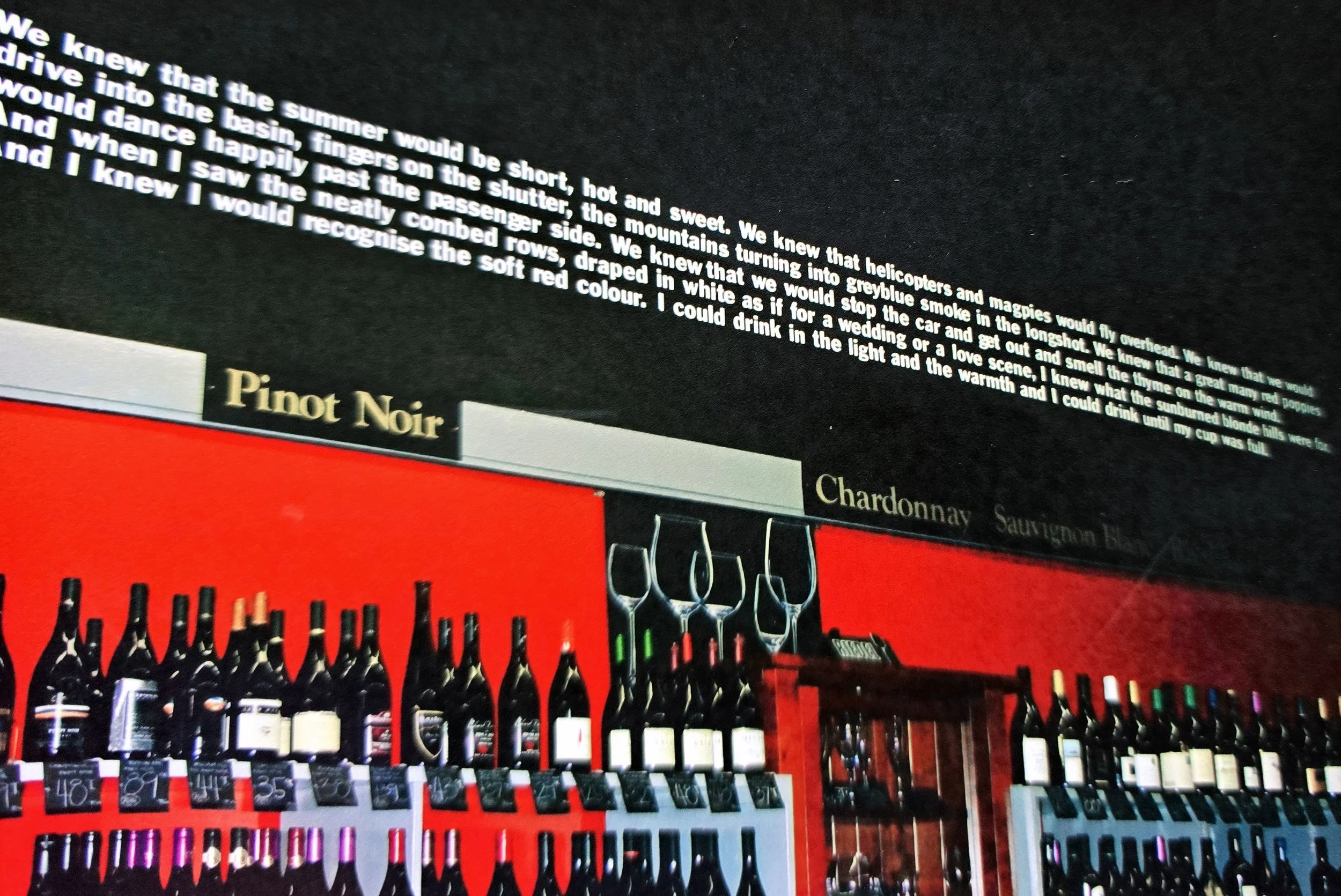
Many associate curatorial work with galleries and museums—white-walled, neatly organised spaces reimagined for audiences. This is an important mode of practice; one I also engage with. But it wasn’t where I began. Those spaces were largely inaccessible to emerging professionals, so I started working across unconventional sites—cafés, offices, public spaces, empty retail venues, and community billboards.

What I learned was pivotal: curatorial practice isn’t about portable objects slotted into blank spaces. It’s about using space and place as a medium, transforming environments into context-specific experiences for the people who move through them.

This applies beyond cultural work. The spaces we traverse daily are curated to some extent, shaping how we navigate and engage with the world. Curatorial skills sharpen our ability to read these environments and reshape them for meaning, accessibility, and connection.

Curatorial skills are often undervalued outside of museum environments, yet they translate across industries:

🔹 Spatial literacy: Reading and interpreting environments to shape them for accessibility, equity, and representation, so more people see themselves reflected.

🔹 Contextual storytelling: Weaving narratives and ideas inseparably with space and place, anchored in histories and communities.

🔹 Audience-centred engagement: Recognising that spaces are lived and felt, adapting experiences for resonance and connection.

🔹 Cross-disciplinary collaboration: Engaging architectural, historical, social, and cultural knowledge to enrich place-based work.

🔹 Ethical responsibility: Considering whose stories are privileged, whose are absent, and how authority is exercised in space, place, and experience.

For emerging professionals across creative and cultural industries, practice-based curatorial experience is invaluable—shaping context specific physical or digital experiences. It builds adaptability, co-creation skills, and the ability to frame meaningful encounters through space and place wherever people engage with ideas or stories.

In a world saturated with content but hungry for connection, curatorial literacy offers a way forward. For me, it began with transforming overlooked sites. Today, the opportunity is wider: to use curatorial skills to connect people, place, and meaning wherever they meet.

Artwork: Rainy McMaster (in Dunedin bottle store).

What happens when we stop waiting for institutions to lead — and start building experiences together

For the past 25 years, I’ve worked across public galleries, community and artist-run spaces, and creative industries education, and I’ve facilitated numerous projects in spaces and places shaped by the voices of the people who use them.

Alongside this, my PhD research into DIY Museums immersed me in community-led initiatives where stories are told by the people who live them. These experiences showed me something powerful: when people are trusted with the tools, skills, and agency to create culture for themselves, the results are bold, relevant, and deeply connected.

That’s the opportunity we’re standing in front of right now.

The pace of change is faster than ever. Whether you’re a business, an educational provider, or a cultural organisation, meeting your audience where they are — in how they live, learn, connect, and consume culture — is no longer optional. Those who listen deeply, adapt quickly, and co-create meaning will not only survive, but thrive.

Imagine if every project, initiative, or experience began not with “what do we want to make?” but with “what matters most to the people we serve — and how can we build it together?” That’s when creativity becomes magnetic. That’s when people show up, participate, and share.

As I step into running my own creative business, this is the work I want to do: help organisations, businesses, and communities design experiences that feel participatory, relevant, and alive — spaces where the audience is not just watching but shaping what happens.

So here’s my question for you:

If you’ve worked in creative industries, education, or community culture — what’s one change you believe would make these experiences more relevant, inclusive, and alive right now?

I’d love to hear your thoughts — whether they’re big, structural shifts or small, practical actions you’ve seen make a real difference.