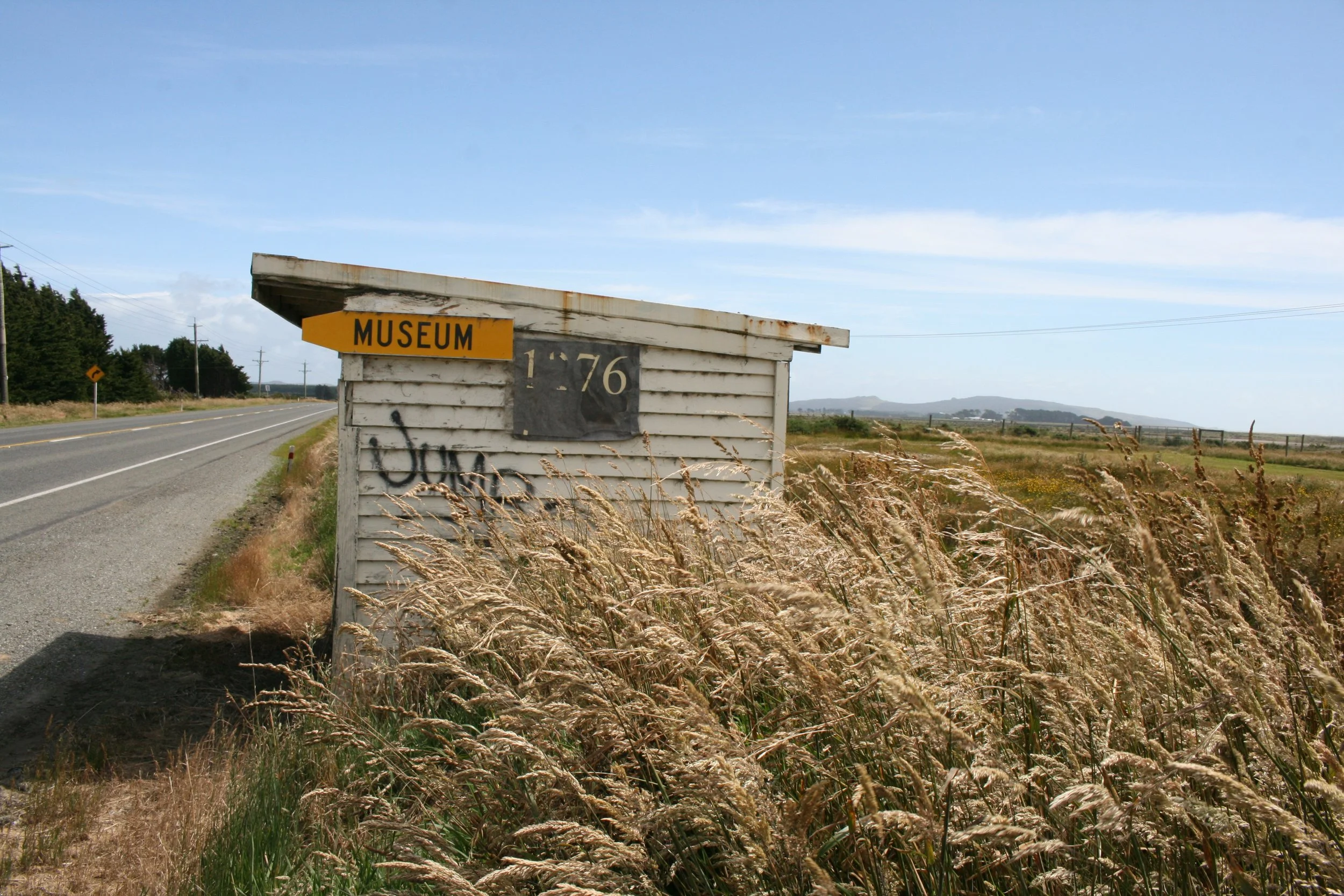
Is your region’s arts, culture, and heritage brand a secret?

Across Aotearoa New Zealand, I see incredible destinations—museums, galleries, historic sites, cultural spaces—that are often overlooked when together they could be powerful, unified, and unforgettable.

Now imagine this:

Visitors start engaging with your arts, culture, and heritage brand before they even arrive, discovering and planning experiences through a cohesive online platform.

They’re welcomed at the airport with your region’s identity on display.

Over breakfast in a hotel or café, stories connect them to your place.

And it flows through their journey—alive in streets, public spaces, businesses, and cultural and heritage venues your community proudly shares.

Arts, culture, and heritage shouldn’t be stumbled upon by chance. They should be embedded in daily life, part of your region’s identity, and told as a cohesive and compelling story.

Imagine your museums, galleries, archives, heritage sites, trails, creative spaces, and businesses working together, creating a living brand experience your community can celebrate—and visitors can’t ignore.

When arts, culture, and heritage are central to a region’s brand, they don’t just enrich community life—they attract people, investment, and pride of place. The secret is already there. The question is: will you keep it hidden, or will you unify it into the story your region tells the world?

Let’s work together to make your region’s arts, culture, and heritage impossible to miss—contact me to start the conversation.

Kathryn McCully
Why aren’t our community’s museums working together?

This question has haunted me for years. The benefits of collaboration for communities are so clear—yet, too often, we see competitiveness, turf wars, or even sabotage. I’ve witnessed the desire to be the ‘top dog’ overshadow the real purpose of museum work.

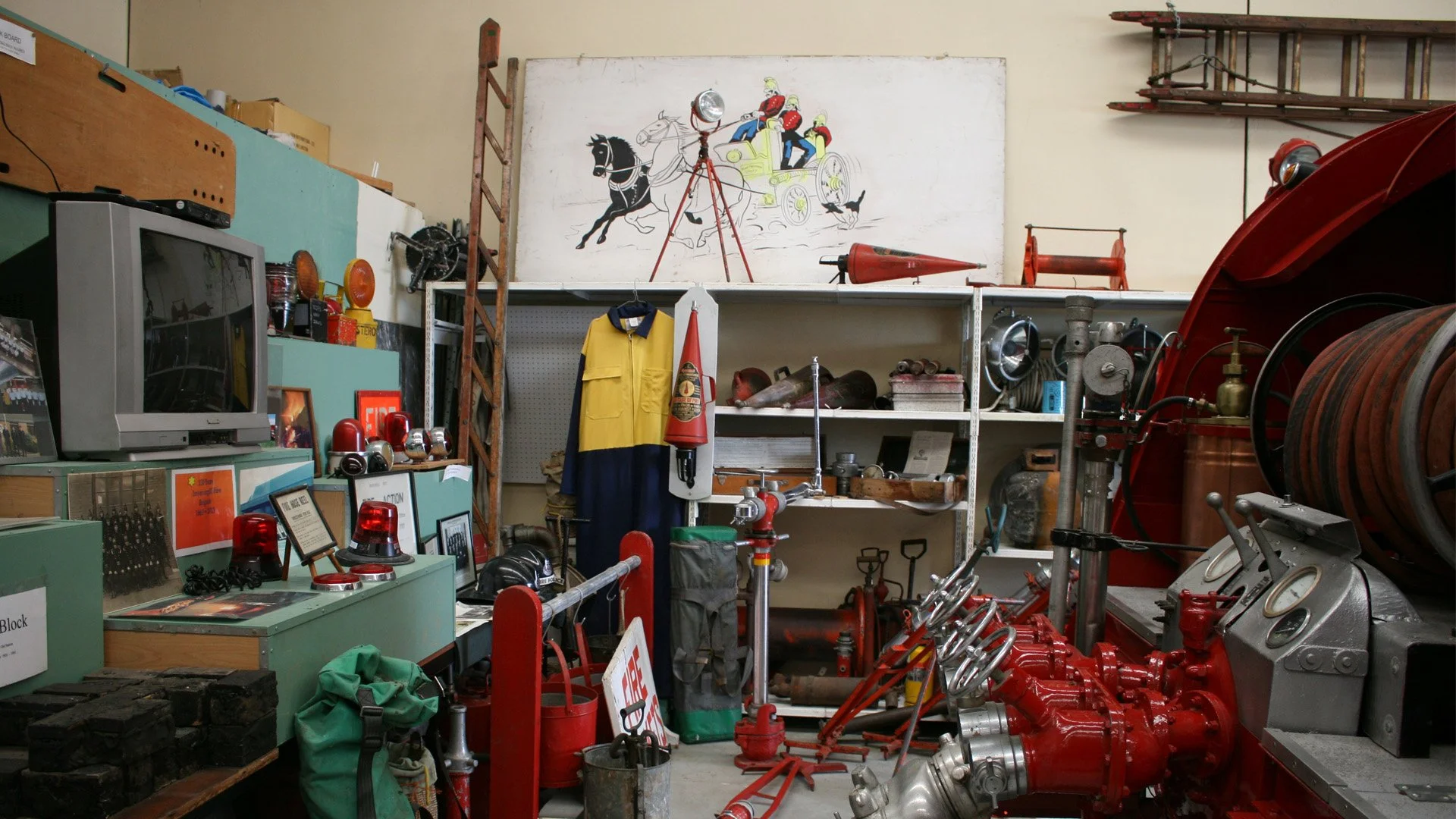
Private museums are dismissed as not ‘real’ museums. Community-led museums are branded ‘unprofessional.’ Meanwhile, larger institutions sometimes posture as rescuers—armed with HVAC systems, neat labels, and cavernous storage facilities that consume vast budgets. But how much of those collections will communities ever actually see? Too often, less than 10%.

By contrast, many volunteer-led museums proudly display the majority of their collections—an approach some call ‘amateur.’ But what if this visibility is, in fact, a strength? What if museums stopped competing and started collaborating—recognising that communities thrive when their heritage is represented through many voices, many perspectives, and many approaches?

We must also question what ‘professionalism’ really means. Large storage facilities are not, on their own, a sign of success. Preservation matters, yes—but preservation should not mean hiding every artifact in perpetuity. True preservation is about keeping our stories alive. Objects and archives are catalysts for connection, not trophies to be locked away.

When the sector equates professionalism with hoarding unseen treasures, we risk losing sight of our purpose. Museums are not just guardians of things; they are platforms for people. They are funded by communities to project our voices, to bring us together, to help us see ourselves in new ways, and to challenge and excite us.

Imagine if, instead of competing for status, museums of every scale worked collectively to serve their communities. Imagine if resources were shared, expertise exchanged, and stories co-created. The result would be richer, more diverse, and more relevant than any single institution could achieve alone.

The question, then, is not why aren’t museums working together—but isn’t it time we reimagined museums as collaborators, not competitors?

Kathryn McCully
What if museums have no walls?

It’s not a new question, but it continues to inspire us to imagine what museums could be. Too often, we see them as buildings first and experiences second. In Aotearoa New Zealand, a museum is defined by purpose, not walls or storage.

Museums connect people, communities, and stories. In many ways, we are all curators, holding collections in our homes, memories, and hearts. Objects alone are quiet; it’s the stories they carry that bring them to life.

Imagine museums as flexible as the communities they serve—able to move, grow, evolve, and appear in unexpected places, shaped by local voices.

Preserving an object is never just about the object itself, but about the connections it sustains. Buildings matter too—they can carry stories of architecture, resilience, generosity, and vision—but the true magic lies in the spaces they enable, alive with people, community, and storytelling.

A museum could be a historic house, a warehouse, a park, a digital space, or even a single treasured story passed from one person to another. Purpose is not defined by form, but by the connections it creates, the stories it preserves and projects, and the meaning it brings to its community.

Perhaps the question isn’t what if museums have no walls, but rather: what if museums connect, preserve, and project the stories of their communities in partnership with the people who live them?

Imagine a museum shaped by your community—how could it bring local stories to life?

Kathryn McCully
A Network of Museums: Diverse Experiences, One Shared Brand

Museums are more than buildings. They are art galleries, cultural centres, marae, historic sites, science centres, open-air museums, botanical gardens, aquaria, and countless other spaces where communities share culture, stories, and local identity.

Centralised, private, and volunteer-driven museums in New Zealand often operate in silos. The future lies in working together to create a connected network that benefits everyone.

Collaboration unlocks new possibilities:

• Coordinated programming that links exhibitions, workshops, and events across multiple sites.

• Shared communications and promotion under a cohesive brand that positions the network as a unified, engaging destination.

• Connector roles — communications, content, and engagement specialists — who are not attached to a single museum but ensure knowledge, resources, and audiences move freely across the network.

• Bookable ‘museum journeys’ that enable visitors to move seamlessly between sites, experiencing the full diversity of local culture, stories, and creativity.

This approach is already proven to work. The Discovery Trail in Ithaca, New York, brings local cultural institutions together to deliver coordinated programming, shared promotion, and a bookable, connected visitor experience. Visitors move seamlessly between sites, discovering local stories as a unified journey — demonstrating how collaboration can unlock a network’s full potential.

To achieve this locally, networks could:

• Develop a shared brand identity that clearly signals the connected experience.

• Consider connector roles to manage programming, promotion, and engagement across museums.

• Encourage co-created exhibitions and events, where local communities, micro/small museums, and centralised institutions collaborate on content.

• Promote bookable museum trails that give residents and visitors a curated journey across the network.

When different forms of expertise and passion intersect, museums become living networks, reflecting the people, places, and stories of the community.

Culture, creativity, and local identity thrive when they are shared, co-created, and celebrated by everyone. Collaboration is not optional, it is the key to a vibrant, sustainable, and networked museum experience.
Kathryn McCully
What is a museum?

In New Zealand, the answer is as diverse as the people themselves.

An art gallery, a cultural centre, a marae.

Historic places and heritage sites.

Science centres and open-air museums.

Botanical gardens, aquariums, zoos.

All of them keepers of memory,

all of them guardians of stories.

But a museum is never only a building.

It is alive.

It moves between us, with us, through us.

A museum is a city,

and a city is a museum.

A museum is a community,

and a community is a museum.

These are not static things—

they shift, they change, they breathe.

They are dynamic, contested,

always becoming something new.

A museum might surface in a shop assistant’s story,

in a conversation at a local bar or cafe,

in a letter to the editor,

or in the quiet work of committees and boards.

Every exchange, every decision, every word spoken

adds to the fabric of what a museum is.

On the city’s stage,

there are no lines drawn between audience and actor.

We are all performers here.

Museum workers, visitors, neighbours, friends—

together shaping the content,

the direction,

the representation of our shared stories.

So, what is a museum?

It is not a place we enter and leave behind.

It is a living performance,

a constant exchange,

a chorus of voices,

a community in motion.

Kathryn McCully