There is currently a lot of discussion about the removal of art history from our schools, and yes, I did study art history at school and later throughout my tertiary study. So, while these important dialogues are circulating, I will advocate for what I believe is currently a critical gap in young people’s learning in NZ.
Right now:
80% of people working in the creative industries don’t hold formal creative qualifications.
Over 80% of those who do earn creative qualifications do not enter the sector.
This mismatch shows that while our education system produces talented graduates, it doesn’t always connect them to the industry where their skills are most needed. Yet the creative sector is now New Zealand’s fourth biggest export earner, more productive than agriculture, and central to our identity on the world stage.
So what if vocational education became a bridge—connecting learners to the real-world creative economy in all its forms?
Imagine if…
Every qualification is a pathway. Certificates, diplomas, and degrees are stackable credentials completed while in work, rather than requiring long periods away. Institutions act as conduits, co-creating programmes with industry so learning serves both learners and sector needs.
Industry engagement is consistent nationwide. All programmes have industry advisory groups that support a steady stream of emerging professionals transitioning into work. Imagine if embedded, active partnerships were the norm everywhere.
Alumni networks are part of the ecosystem. Alumni who are in industry are connected back to those entering, creating a living bridge where knowledge, mentorship, and opportunity flow both ways.
Education keeps pace with change. Institutions iterate quickly, co-designing micro-credentials & short courses with industry so learners stay relevant.
Mentorship and lived knowledge are embedded. Structured mentoring connects learners to practitioners who pass on tacit skills, networks, and sector insights.
Learning happens in work, not apart from it. The industry itself is the classroom—an incubator of innovation shaping NZ’s creative, cultural and economic future.
Much like any sector, creative industries learning must be grounded in the real world of work. That’s how we ensure learners don’t just earn qualifications—they find meaningful, sustainable careers.
The opportunity is here. The question is: what if we designed creative industries education to be as dynamic, adaptive, and innovative as the industries it serves?
Read the article: Creative sector NZ’s fourth biggest export, more productive than agriculture, report finds | The Post
The word ‘curated’ is everywhere—applied to playlists, menus, even wardrobes. Far from a cliché, this signals aspiration: people are searching for meaning, coherence, and connection. For those developing curatorial skills, it’s an opportunity to shape experiences that go beyond selection, by cultivating literacy in space and place.
At art school, curatorial practice wasn’t explicitly taught. We explored concepts through theory but were encouraged to follow our own research. For me, that meant interrogating space and place through practice.
Many associate curatorial work with galleries and museums—white-walled, neatly organised spaces reimagined for audiences. This is an important mode of practice; one I also engage with. But it wasn’t where I began. Those spaces were largely inaccessible to emerging professionals, so I started working across unconventional sites—cafés, offices, public spaces, empty retail venues, and community billboards.
What I learned was pivotal: curatorial practice isn’t about portable objects slotted into blank spaces. It’s about using space and place as a medium, transforming environments into context-specific experiences for the people who move through them.
This applies beyond cultural work. The spaces we traverse daily are curated to some extent, shaping how we navigate and engage with the world. Curatorial skills sharpen our ability to read these environments and reshape them for meaning, accessibility, and connection.
Curatorial skills are often undervalued outside of museum environments, yet they translate across industries:
🔹 Spatial literacy: Reading and interpreting environments to shape them for accessibility, equity, and representation, so more people see themselves reflected.
🔹 Contextual storytelling: Weaving narratives and ideas inseparably with space and place, anchored in histories and communities.
🔹 Audience-centred engagement: Recognising that spaces are lived and felt, adapting experiences for resonance and connection.
🔹 Cross-disciplinary collaboration: Engaging architectural, historical, social, and cultural knowledge to enrich place-based work.
🔹 Ethical responsibility: Considering whose stories are privileged, whose are absent, and how authority is exercised in space, place, and experience.
For emerging professionals across creative and cultural industries, practice-based curatorial experience is invaluable—shaping context specific physical or digital experiences. It builds adaptability, co-creation skills, and the ability to frame meaningful encounters through space and place wherever people engage with ideas or stories.
In a world saturated with content but hungry for connection, curatorial literacy offers a way forward. For me, it began with transforming overlooked sites. Today, the opportunity is wider: to use curatorial skills to connect people, place, and meaning wherever they meet.
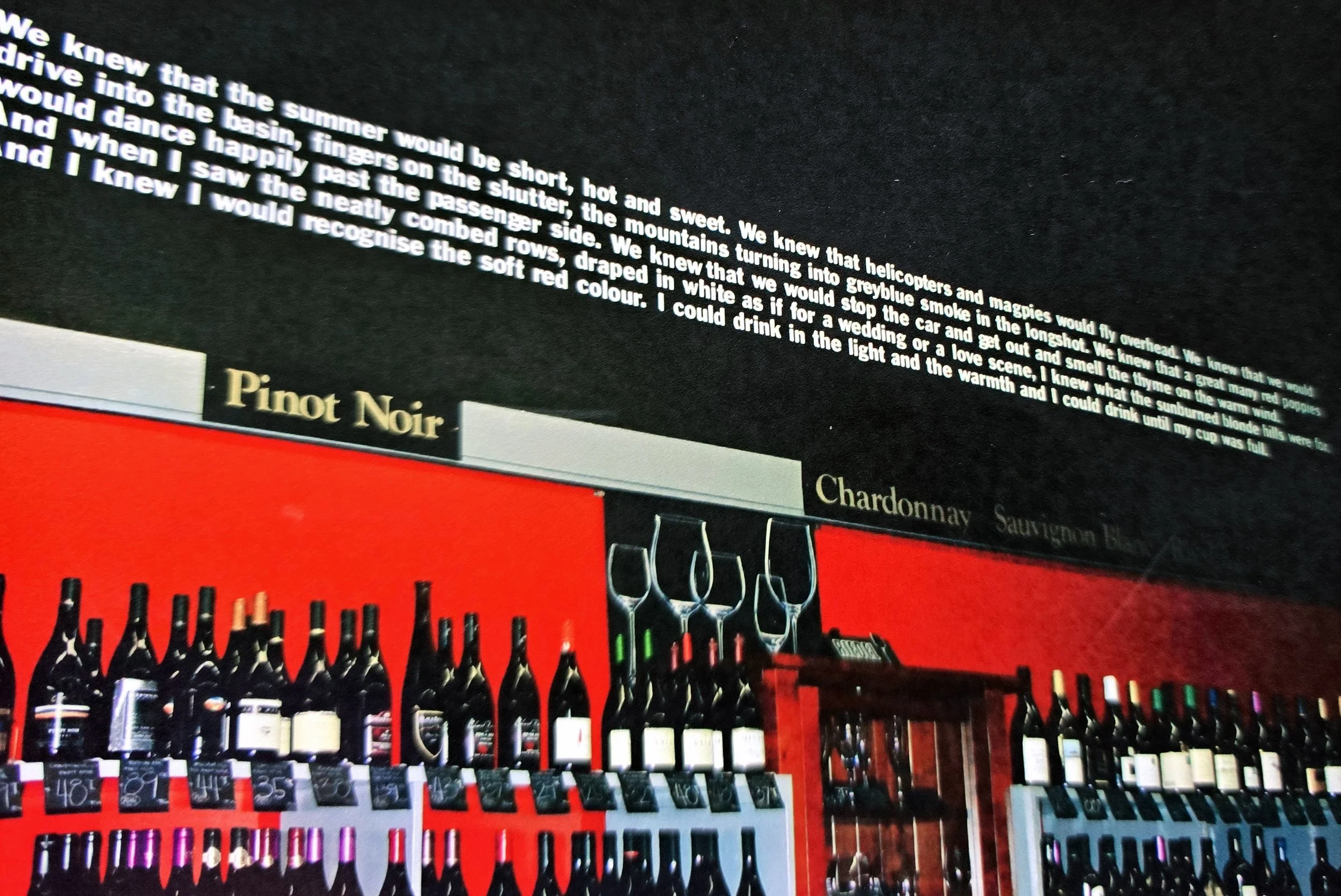
Artwork: Rainy McMaster (in Dunedin bottle store).
Museums have always been producers of content and education. But there’s never been a better time to capitalise on the shift away from centralisation toward more dynamic, diverse ways of connecting with audiences. Whether your museum is volunteer-run or equipped with a professional production team, the opportunity is now. With limited and low-cost tools, even the smallest museum can reach a global audience—no matter how niche its collections or stories.
And if your organisation lacks expertise, there is an incredible diversity of free online resources to help you get started. You can also engage digital natives through internships or placements—essential pathways for young professionals to hone their craft and build new skills. Your museum has value, and it’s time to recognise it.
The Tank Museum shows what’s possible when a museum fully embraces video. With a professional production team, it has built one of the world’s most successful museum YouTube channels—transforming a highly specialised subject into global entertainment and education. I never imagined I’d find the history of tanks so compelling until I engaged with their content. That’s the power of storytelling: it makes people care about subjects they never thought were for them.
This shift speaks directly to education. Learners today expect to design their own journeys—choosing what, when, and how they engage. Centralised classroom-based education has significant limitations, creating a gap that museums can fill. Want to understand the gaps your museum could address? Engage with your communities, listen to their needs, and build learning solutions that matter.
The possibilities are rich: educate and entertain through video, create immersive experiences with animation, gamify learning to make it interactive, collaborate with education providers, offer modular online courses, hybrid models, flexible pathways, or short stackable modules. When developing your content strategy, remember media and entertainment have a lot to teach us about audiences and storytelling. Watch, learn, and adapt. Museums—keepers of deep knowledge—can deliver compelling, relevant, and globally accessible content that meets audiences where they are.
The opportunity is here, and the movement is already happening. Will your museum choose to be part of it?
#MuseumInnovation #DigitalStorytelling #OnlineEducation #GamifiedLearning #CulturalInfluence #FutureOfMuseums
As funding models tighten, the strength of arts, culture, and heritage increasingly depends on community-driven, decentralised approaches. By embracing diversity and collaboration, regions can turn cultural assets into stories that resonate locally and globally.
In Catalonia, the Barcelona Provincial Council Local Museum Network brings together 65 museums across 51 municipalities. The network fosters a dynamic, multidisciplinary museum model, turning museums into accessible public service centres. By collaborating across municipalities, they pool resources and expertise, creating richer exhibitions, broader audiences, and a stronger regional identity.
In Massachusetts, the Berkshire Arts and Culture Alliance (BACA) unites ten major institutions, including MASS MoCA and the Norman Rockwell Museum. With a combined budget of $212 million annually, mostly from philanthropy and earned income, BACA attracts 1.7 million visitors yearly, generating around $1.5 billion in economic impact. Collaboration strengthens cultural infrastructure and tourism while boosting the local economy.
In Andhra Pradesh, India, the Kondapalli Bommala Experience Centre celebrates the village’s artisan-made wooden toys. Through tours, demonstrations, and educational programs, local artisans, authorities, and educators collaborate to preserve and share traditional knowledge, positioning Kondapalli as a national example of rural creativity and self-reliance.
These cases show how decentralised, collaborative cultural ecosystems enhance regional identity, drive tourism, and engage communities. Sharing resources and expertise allows institutions to achieve more collectively, while elevating cultural presence globally.
Investing in these networks is essential. By empowering local institutions and fostering partnerships, regions can build resilient cultural identities that thrive locally and internationally. Collaboration isn’t just a strategy—it’s the foundation of sustainable, vibrant cultural ecosystems.
#CulturalCollaboration #Decentralisation #RegionalIdentity #CulturalTourism #CommunityEngagement #GlobalVisibility
My passion is helping bring those stories to life — not just as displays, but as experiences that connect people and create pride in who they are and what they do.
At the heart of this work is the process of creating something with the community. That process is what matters most, and it’s the story that deserves to be shared. The exhibition or final outcome is simply the artifact of that journey.
Whether it’s an exhibition, concert, performance, or workshop, the most powerful projects happen when communities are involved from start to finish. This makes the creative journey part of the story itself — one worth telling and celebrating.
For me, an exhibition isn’t just something to look at; it’s a place where ideas meet, conversations spark, and shared experiences leave a lasting impact.
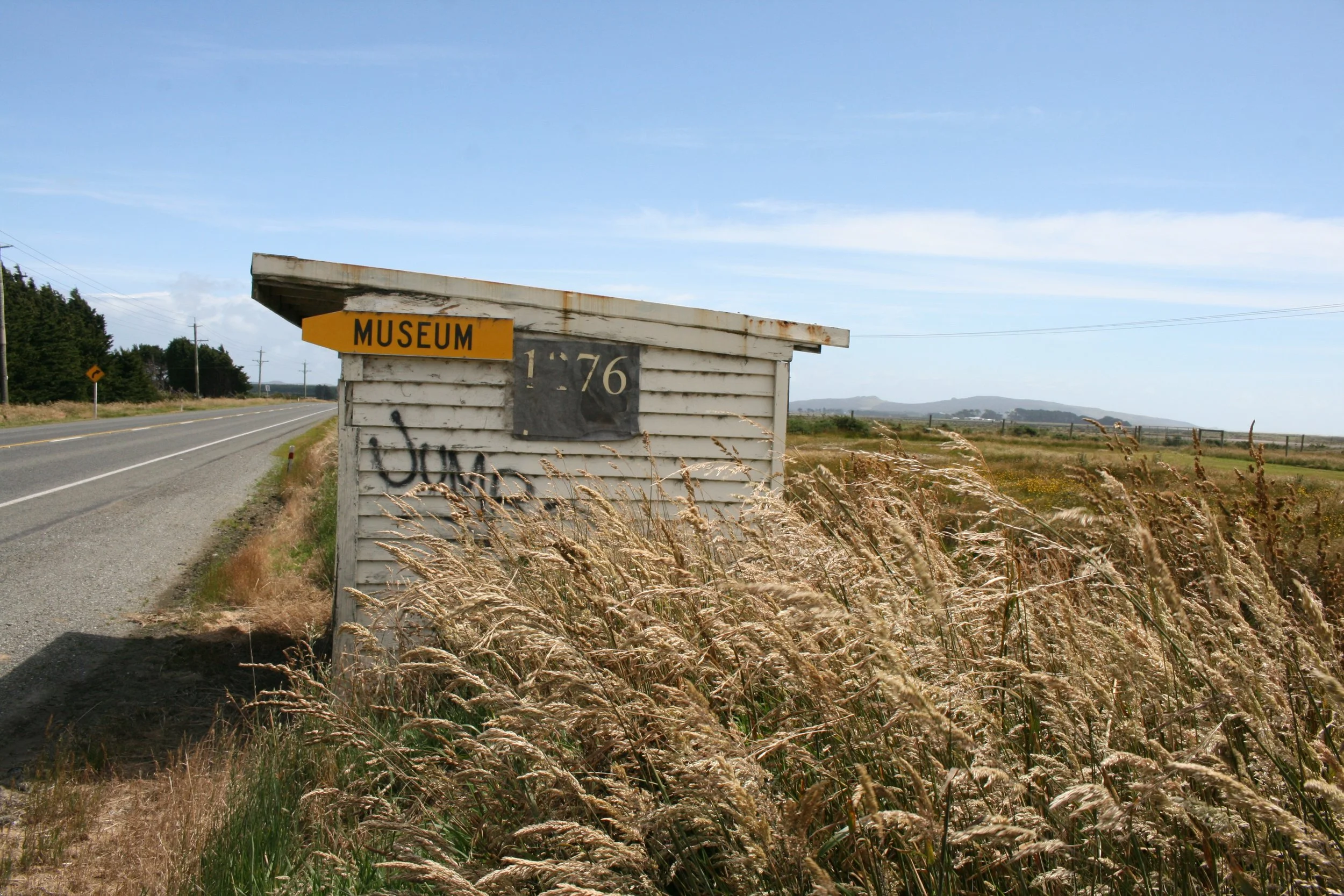
Earlier this year, I visited Invercargill to connect with people and explore how I could support art, design, and storytelling in diverse communities. I’ve just returned from a second trip, so it feels like the right moment to reflect on my deep connections to Southland.
I spent ten years at the Southern Institute of Technology, managing creative industries programmes in an environment that truly supported research and growth.
While there, I completed my PhD on DIY museums — small, mostly volunteer-run museums where communities tell their own stories in their own unique ways.
The projects I created as part of my PhD — including exhibitions, workshops, concerts, and talks in a variety of venues — were practical applications of the approaches I observed and engaged with in Southland’s community-led cultural spaces.
These projects focused on bringing spaces to life and creating shared experiences, turning ideas into meaningful, real-world moments.
I carry forward a key lesson: when communities take the lead, the results can be powerful and transformative.
For the past 25 years, I’ve worked across public galleries, community and artist-run spaces, and creative industries education, and I’ve facilitated numerous projects in spaces and places shaped by the voices of the people who use them.
Alongside this, my PhD research into DIY Museums immersed me in community-led initiatives where stories are told by the people who live them. These experiences showed me something powerful: when people are trusted with the tools, skills, and agency to create culture for themselves, the results are bold, relevant, and deeply connected.
That’s the opportunity we’re standing in front of right now.
The pace of change is faster than ever. Whether you’re a business, an educational provider, or a cultural organisation, meeting your audience where they are — in how they live, learn, connect, and consume culture — is no longer optional. Those who listen deeply, adapt quickly, and co-create meaning will not only survive, but thrive.
Imagine if every project, initiative, or experience began not with “what do we want to make?” but with “what matters most to the people we serve — and how can we build it together?” That’s when creativity becomes magnetic. That’s when people show up, participate, and share.
As I step into running my own creative business, this is the work I want to do: help organisations, businesses, and communities design experiences that feel participatory, relevant, and alive — spaces where the audience is not just watching but shaping what happens.
So here’s my question for you:
If you’ve worked in creative industries, education, or community culture — what’s one change you believe would make these experiences more relevant, inclusive, and alive right now?
I’d love to hear your thoughts — whether they’re big, structural shifts or small, practical actions you’ve seen make a real difference.
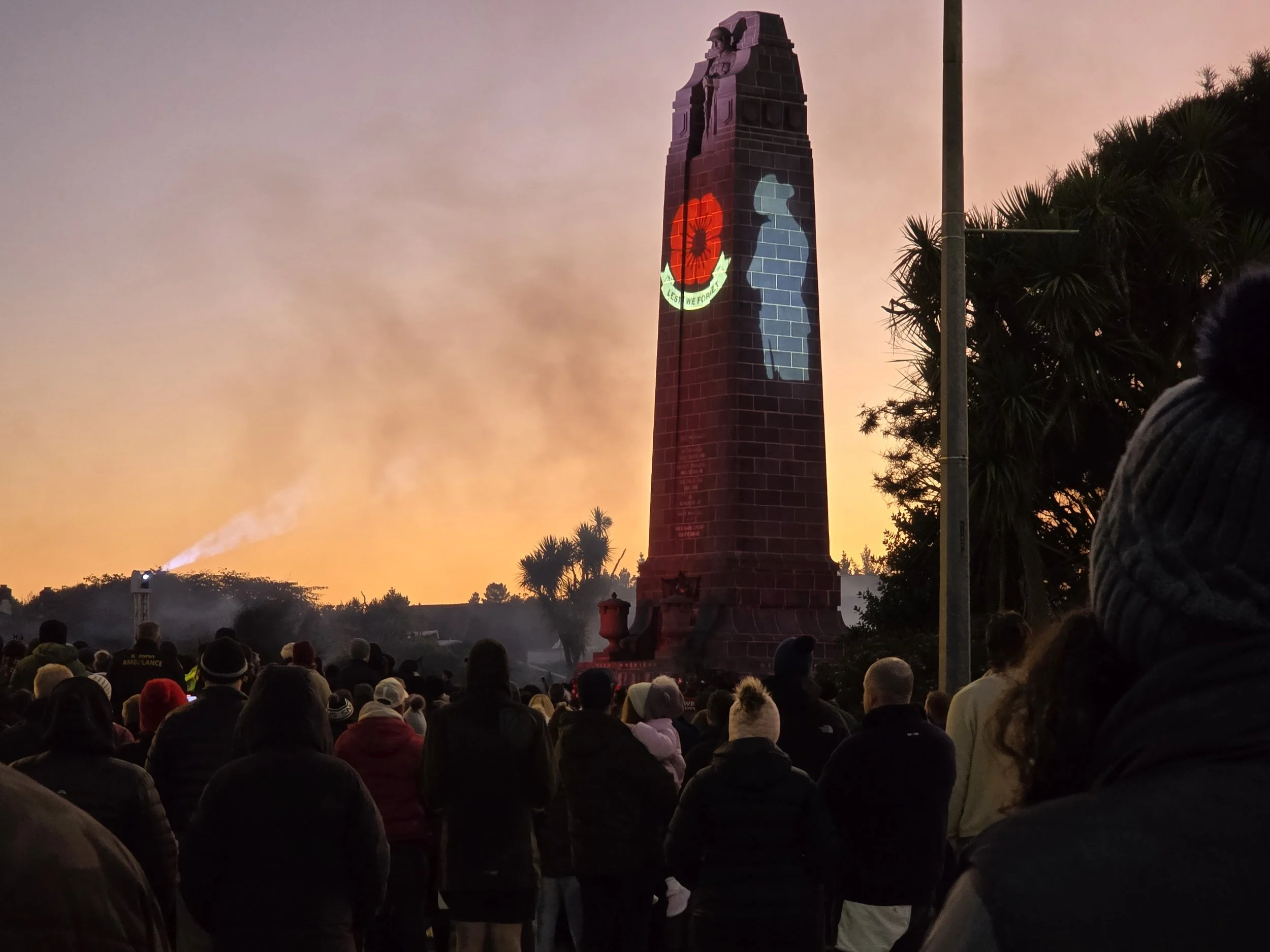
Anzac Day, Invercargill, 2025
Times have changed and so have the expectations of museum audiences. Like many sectors, museums have been fundamentally reshaped by the pandemic. Have we truly responded?
Historically, many institutions followed a 'build it and they will come' model: design an impressive architectural spectacle in a central location, add technology bells and whistles, promote in-house programmes—and then wait for the crowds to pour in.
But what happens when people don’t come—or when they can’t?
If a museum is defined by its purpose—to share culture and knowledge—then the expectation that people must always come to us begins to unravel.
Our purpose does not need to be gatekept; it can be shared. Museums are facilitators of purpose, not sole directors. It is not our role to dictate what communities need, or to sit in offices brainstorming projects we think the public should want to see.
People want more than observing from the sidelines. They have their own stories to tell—and they are already using the tools available to them to tell these stories. So how are we responding?
Purpose can be fulfilled anywhere:
In schools, businesses, libraries, rest homes, hospitals and parks
Through pop-up exhibitions in community spaces
On digital platforms and immersive online experiences
By embedding stories and collections into daily life
This doesn’t mean the museum as a place loses value. People still seek the aura of objects, the atmosphere of a gallery, the joy of visiting a cultural space together. But it does mean our responsibility shifts—from assuming audiences will arrive at our doors, to meeting people where they are and working alongside them to tell their stories in their own ways.
And this raises some challenging questions:
Should success still be measured by visitor numbers to our buildings, or by the depth of connection across multiple spaces and platforms?
How do we maintain trust and identity if the museum becomes more distributed, flexible, and decentralised?
Are we willing to step back from being 'the experts,' when that very mindset can get in the way of truly understanding the people we serve?
What does it mean for staff, resources, and ways of working if museums exist as networks rather than a single site?
The future museum is not one destination but many—defined less by walls, and more by relationships.
👉 What if the measure of a museum’s success was not numbers through the door, but how far its purpose travels?

Garrett Steam Engine at the Southland Rural Heritage Centre in Thornbury
Many of our council-controlled museums began life as DIY micro-museums—born of hard work, perseverance, and the passion of local volunteers. This grassroots model is not the exception but the dominant pattern in Aotearoa New Zealand. We make our own museums to tell our own stories, in our own ways.
DIY museums often proliferate in the face of marginalisation and centralisation. They are communities reclaiming their art, history, and culture as their own. They want to tell stories in ways that resonate with them. In doing so, they tell us something important about what it means to be a museum in New Zealand.
Yet as museums grow and professionalise, something is often lost. The community ethos that drove their existence can become marginalised—sometimes even intentionally—through the performance of ‘professionalism.’ Too often, this professionalism is modelled on large overseas institutions whose practices reflect the contexts of their own places, not ours.
But what if we measured professionalism differently?
• What if our definitions of a ‘museum’ came from the needs and aspirations of our own communities, not centralised or imported standards?
• What if professionalism wasn’t about having climate controls, but about how well you connect, collaborate, and sustain the stories of place?
• What if, instead of competing and undermining each other for funding, we celebrated the community energy that underpins museums across our country?
Frictions exist. Competition for funding is real. Yet DIY museums did not emerge to professionalise, centralise, or dominate. They grew from community desire to protect, share, and celebrate local stories. I have seen them achieve incredible things through their own support mechanisms—often with a broader people-base than large museums could mobilise.
Many remain unaware of how dominant the DIY museum model is in New Zealand. This lack of awareness is a missed opportunity. Large museums rarely collaborate meaningfully with their small and micro counterparts. As a result, extraordinary stories across our communities remain fragmented or invisible.
But what if large, centralised museums became conduits and catalysts—championing their DIY foundations and celebrating how they were made and remade over time through the sheer will and drive of their communities? Rather than dominating, they could be key drivers of promoting the diversity of our museum landscape, amplifying local stories and connecting them to wider audiences.
Imagine a sector that recognised the value of all its players—where the community ethos that created museums wasn’t a quaint origin story, but a core measure of professional strength. A sector stronger together, rooted in the energy, ingenuity, and care of its people.
Across Aotearoa New Zealand, I see incredible destinations—museums, galleries, historic sites, cultural spaces—that are often overlooked when together they could be powerful, unified, and unforgettable.
Now imagine this:
Visitors start engaging with your arts, culture, and heritage brand before they even arrive, discovering and planning experiences through a cohesive online platform.
They’re welcomed at the airport with your region’s identity on display.
Over breakfast in a hotel or café, stories connect them to your place.
And it flows through their journey—alive in streets, public spaces, businesses, and cultural and heritage venues your community proudly shares.
Arts, culture, and heritage shouldn’t be stumbled upon by chance. They should be embedded in daily life, part of your region’s identity, and told as a cohesive and compelling story.
Imagine your museums, galleries, archives, heritage sites, trails, creative spaces, and businesses working together, creating a living brand experience your community can celebrate—and visitors can’t ignore.
When arts, culture, and heritage are central to a region’s brand, they don’t just enrich community life—they attract people, investment, and pride of place. The secret is already there. The question is: will you keep it hidden, or will you unify it into the story your region tells the world?
Let’s work together to make your region’s arts, culture, and heritage impossible to miss—contact me to start the conversation.
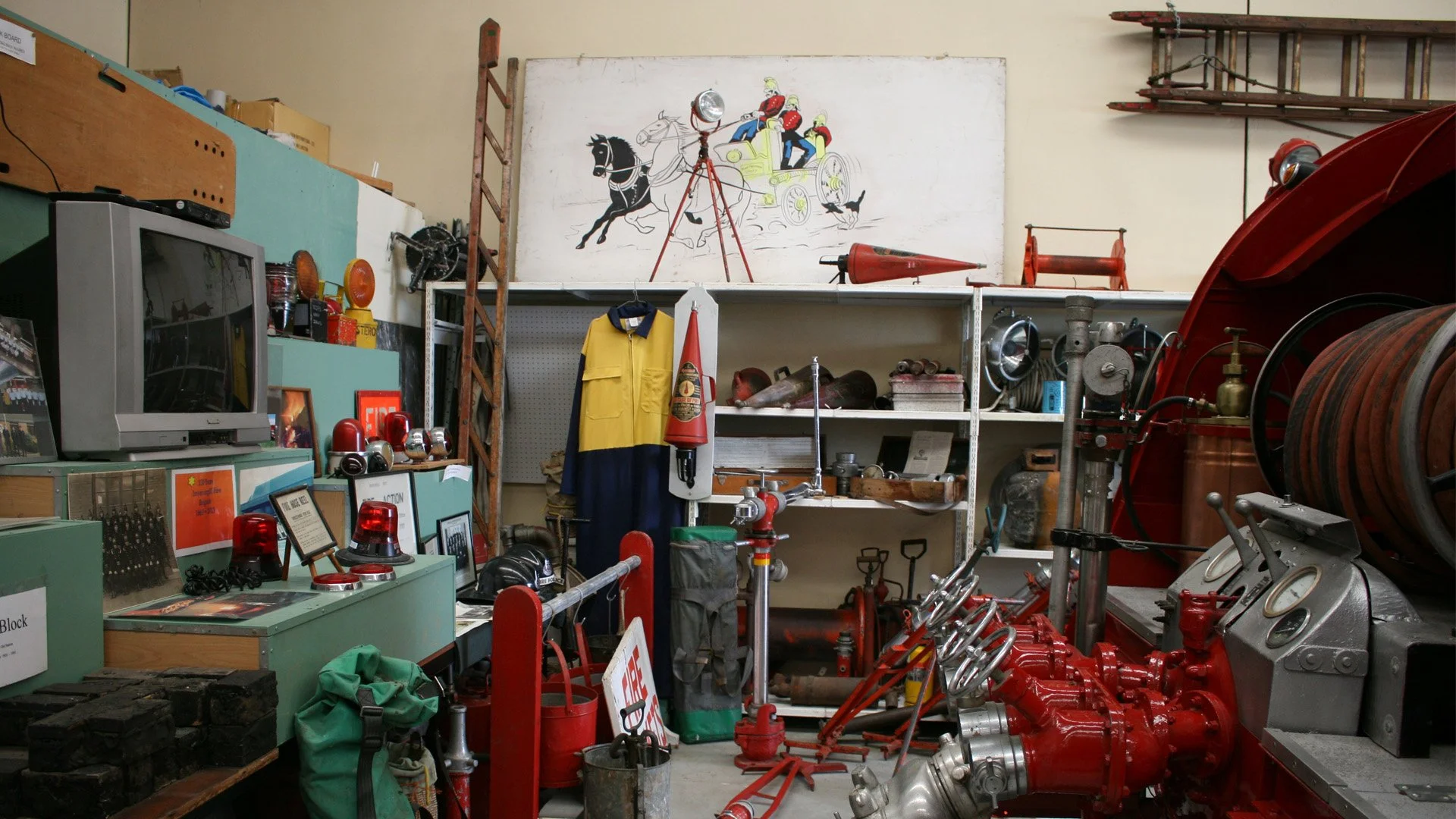
Southland Fire Museum