Volunteering has long been the backbone of communities—sharing knowledge, building networks, and creating resilience. But many of us no longer have the time or energy for long-term roles alongside work, study, and caregiving. That doesn’t make volunteering less valuable—it just means it needs to look different.
Having worked with many volunteer groups, I’ve seen the benefits for both volunteers and organisations. Volunteering builds skills, confidence, relationships, and often opens up opportunities that emerge through connections rather than formal channels.
It shows people what you can do, teaches you to work with diverse groups, introduces new ways of thinking, provides applied experience, and challenges you to solve unfamiliar problems. Many opportunities in my career have grown directly from volunteering.
When I began my studies, internships were rare. That’s why I recommend that anyone choosing a course of study today prioritises programmes that include practical placements. Gaining hands-on experience, whether through placements or volunteering, can be incredibly powerful.
Volunteer roles may not pay the bills, but they help both emerging and established professionals develop skills, build networks, and gain experience at any stage of their careers.
At art school in Dunedin, I deliberately said yes to as many voluntary opportunities as possible. This led to my first role in the creative industries. I gained real-world skills and, just as importantly, a network of people who believed in me. Volunteering gave me access to communities and experiences I wouldn’t have had otherwise.
Do I still volunteer today? Absolutely. I make volunteerism a part of my working life and see it as integral to the work I do. Strengthening the resilience and sustainability of the creative industries is my purpose, so this time is well spent.
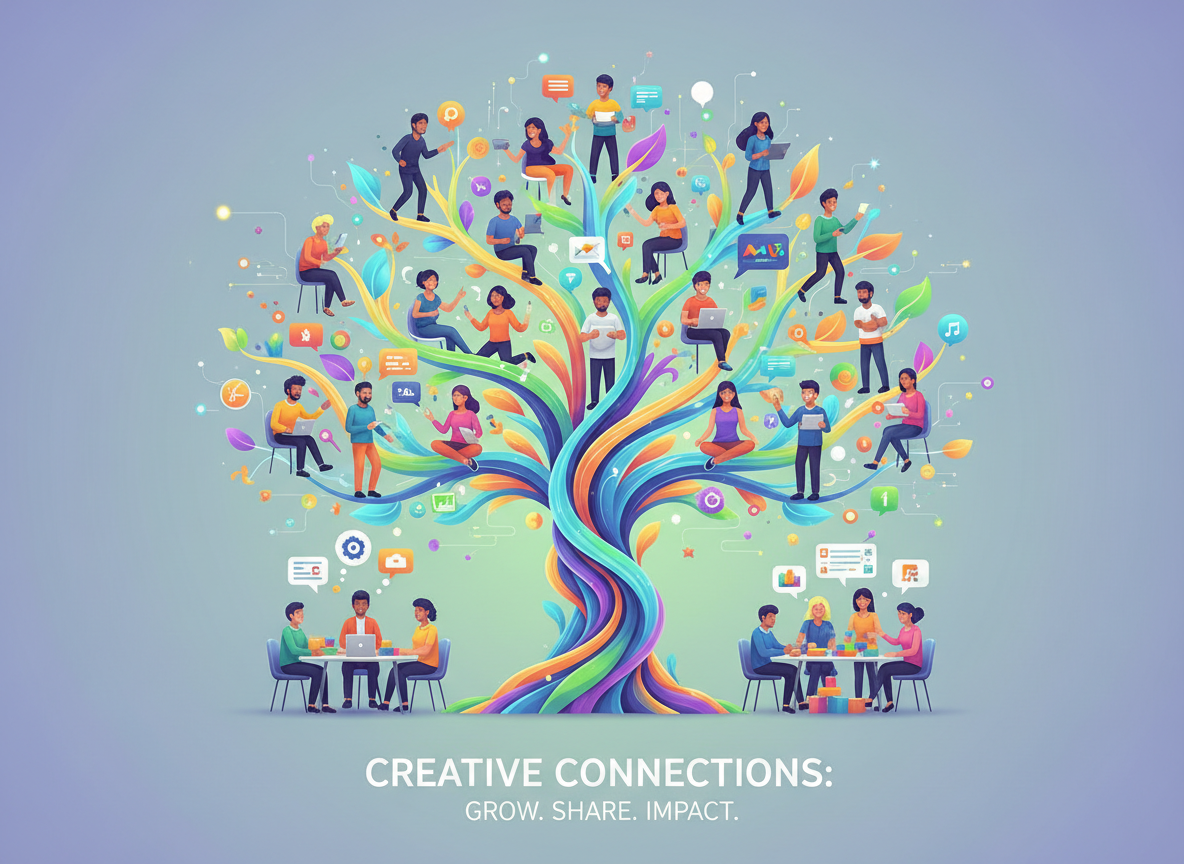
Working with people in the sector you want to join helps you build your community, which is essential to a sustainable career. That’s why I encourage micro-volunteering: contributing small, manageable amounts of time to a project or organisation aligned with your values and aspirations. If you see a problem or want to contribute, propose how you might help—even in a small way. You never know who will notice, or what opportunities may emerge.
Micro-volunteering recognises modern realities while preserving the heart of volunteering. It allows you to contribute meaningfully without overcommitting, while building skills, relationships, and purpose.
Small, intentional contributions can lead to lasting change. Look for gaps in your sector, consider how your skills, or even a commitment of time, could help in a sustainable way. This is how careers, communities, and industries are strengthened over time.