I recently read an article about the loss of an artist’s archive, and having worked with many personal collections, I can confidently say that the majority are lost to time. We all hold collections related to our lives and work that will not be preserved, and most collection items chosen for preservation within centralised cultural institutions, are seldom, if ever, interpreted or accessed.
While working with Margaret Mahy on 'The Making of the Word Witch' touring experience, she shared some archives she hoped to include, expressing concern about their fragile condition. Mahy had carried these hand-made books around in a suitcase she used during her engagement work with children as a librarian. One was the first book she remembered writing, around age five, 'Harry is Bad', and another a fully illustrated 'Aranukan Lute Book' she created as a teenager. Pages were held together with Sellotape as they began to fall apart.
I arranged conservation work and created complete digital records, enabling both the loaned original books and digital reproductions to tour. This experience highlighted for me that all collections are vulnerable to loss if the focus is solely on safeguarding via storage rather than making the stories they hold accessible.
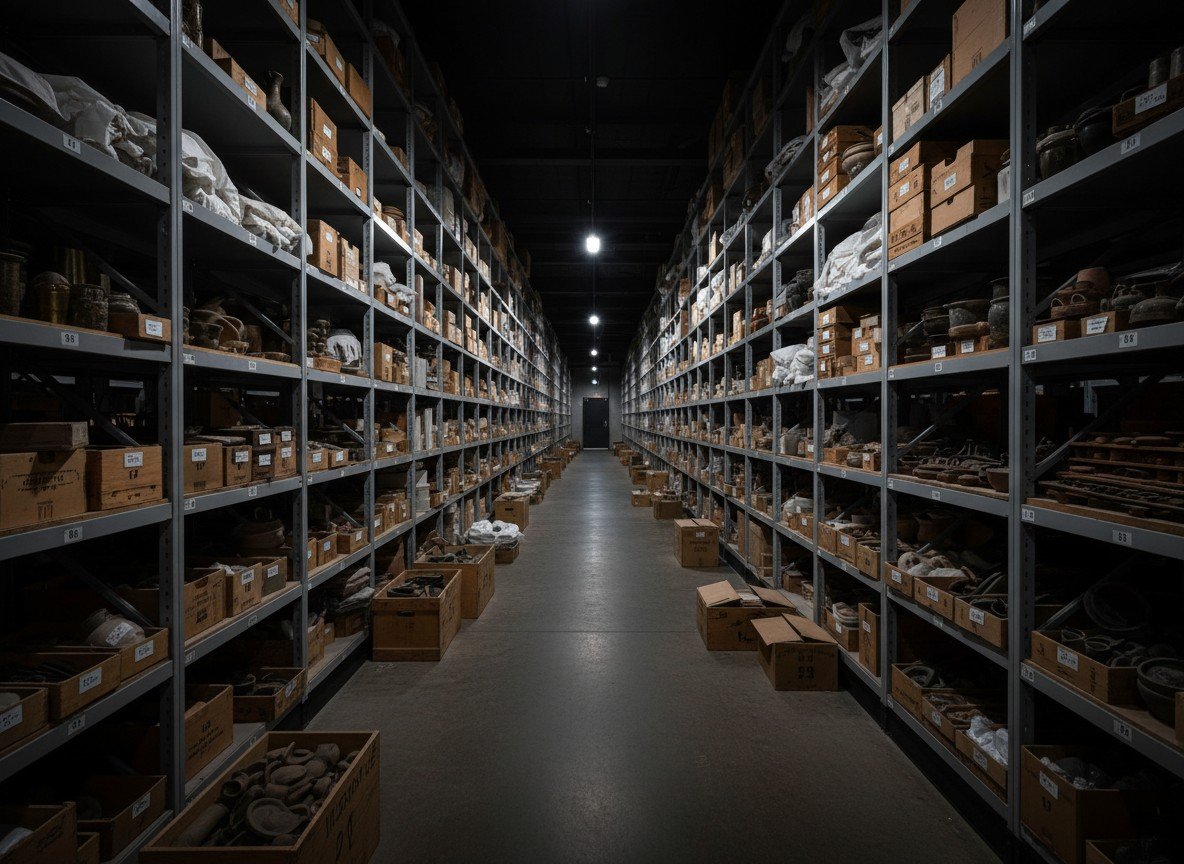
When collections are selected for preservation by museums, for example, accessibility is rarely the priority. Many institutions conservatively hold at least 90% of collections in climate-controlled storage, which often accounts for more than half of annual operating budgets.
These measures aim to ensure long-term survival, yet the majority of collections are never seen. Preservation has become synonymous with protection, and engagement has become impossible due to the sheer volume of collections, and is often considered too risky. The common model of collecting ensures holdings continue to grow, yet without activation, they remain stories doomed to be stored indefinitely or eventually deaccessioned.
What this reveals is a fundamental tension in how we value collections: between protection and activating stories. If preservation focuses solely on protection, the knowledge, insight, and inspiration embedded within them is effectively locked away. Stories, ideas, and connections only come to life when they are shared. Without engagement, collections become silent relics rather than living evidence of culture, creativity, and human experience.
Shifting the focus from preservation via storage to active engagement requires rethinking collecting practices. It means prioritising access, storytelling, and interaction. Protection is important, but not at the cost of limiting engagement. True preservation occurs when the stories collections contain inspire new questions, ignite curiosity, and connect people with the past, the present, and one another.