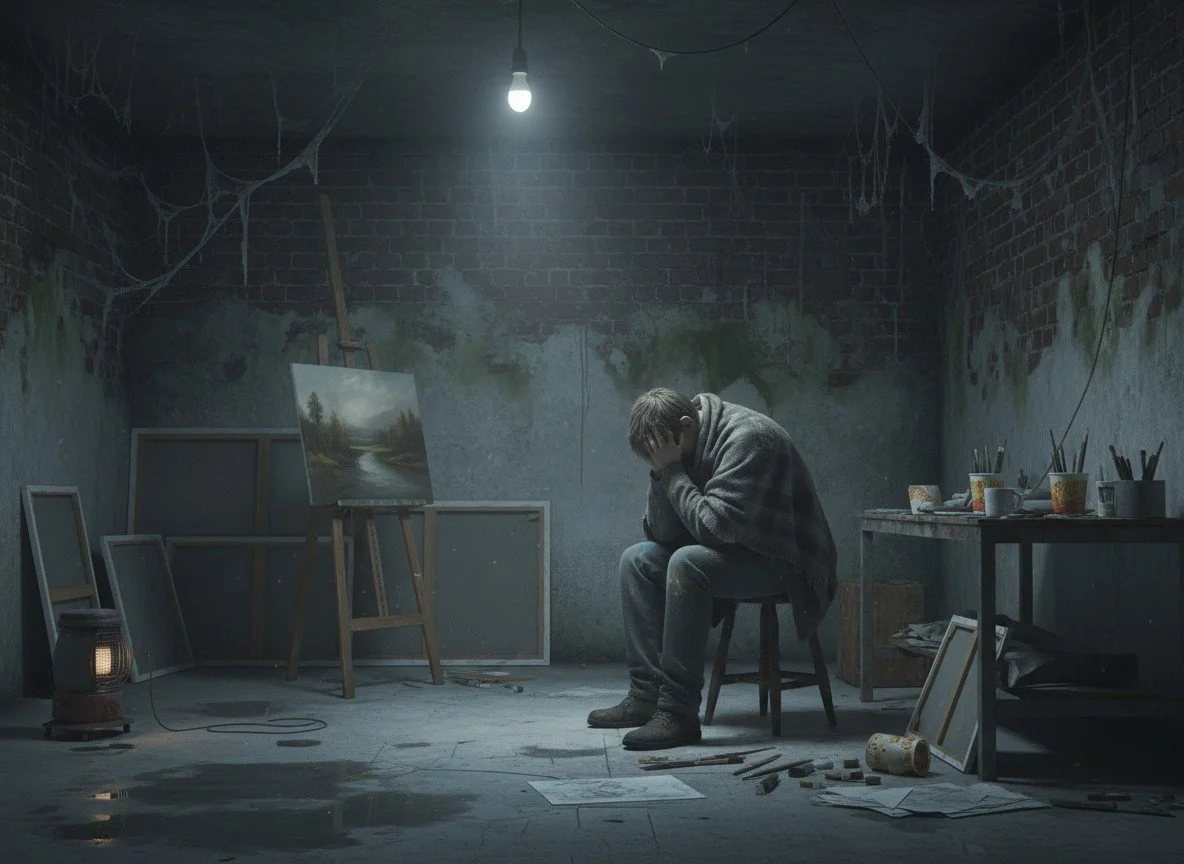
The decline in arts and creative industries training is sobering for everyone in the sector.
I was fortunate to have access to the arts throughout my education. Without exposure in my formative years, would I have taken this path? Probably not. My experience as a student, and later as a tutor and manager developing and delivering programmes, reinforced how strongly education structures shape opportunity.
Across that journey, I saw the siloing of disciplines, the challenges teachers, tutors, and careers advisors face in keeping pace with rapid industry change, and the structural constraints institutions operate within — particularly the lengthy, costly bureaucratic processes to develop or modify programmes. Most significantly, I saw the absence of facilitated industry partnerships and clear pathways into work.
The issue is not a lack of talent or interest in creative careers. It is structural. Training models, institutional systems, and industry realities are no longer aligned — and addressing this misalignment is urgent if we are to sustain the creative sector.
Over my career, I have spoken with thousands of students and parents, and one concern consistently sits at the centre: pathways to sustainable work. While my mother strongly supported my arts development, her preference was that I go to law school rather than art school. Why? Because parents want safety and security, and being an “artist” has long been associated with risk rather than stability.
Policy settings can amplify these perceptions. In Australia, the 2021 Job Readiness Scheme — designed to steer learners toward priority fields — further penalised arts qualifications. While it did not fundamentally change most students’ decisions, it compounded an existing decline in enrolments and reduced programmes offered across universities and polytechnics.
Addressing this misalignment requires more than advocacy for the arts — it requires a rethink of how education connects to practice. If I were an aspiring creative today, I would want mentors active in the industry. I would want to learn in real-world work contexts. I would want to build and feel supported by industry networks that collaborate, share knowledge, and open doors. I would want flexibility and programmes that recognise my unique ambitions. Above all, I would want learning that is connected, applied, and relevant — the kind of education that equips me for the creative life I’m building.
Let’s work together — educators, industry leaders, policymakers, and advocates — to create programmes that are meaningful, integrated with industry, and genuinely prepare learners for the work they aspire to do. Let’s rethink outdated models, innovate where practice and learning intersect, and act to ensure the next generation of creatives have the skills, networks, and opportunities they need. The future of the creative sector depends on what we do now.