I miss reference letters.
Do you remember when we kept physical archives of letters from colleagues, employers, and collaborators? Pages that spoke not only about what someone did, but who they were.
Among John McCulloch’s archives, I found a collection of reference letters dated 1989, written to support potential opportunities connected to an overseas family trip. Some authors had known him briefly; others had worked alongside him for most of his career. Together they create a layered portrait — professional, personal, and deeply human.
It feels different from today, where references often appear as short endorsements on a LinkedIn profile.
So, what did these letters reveal?
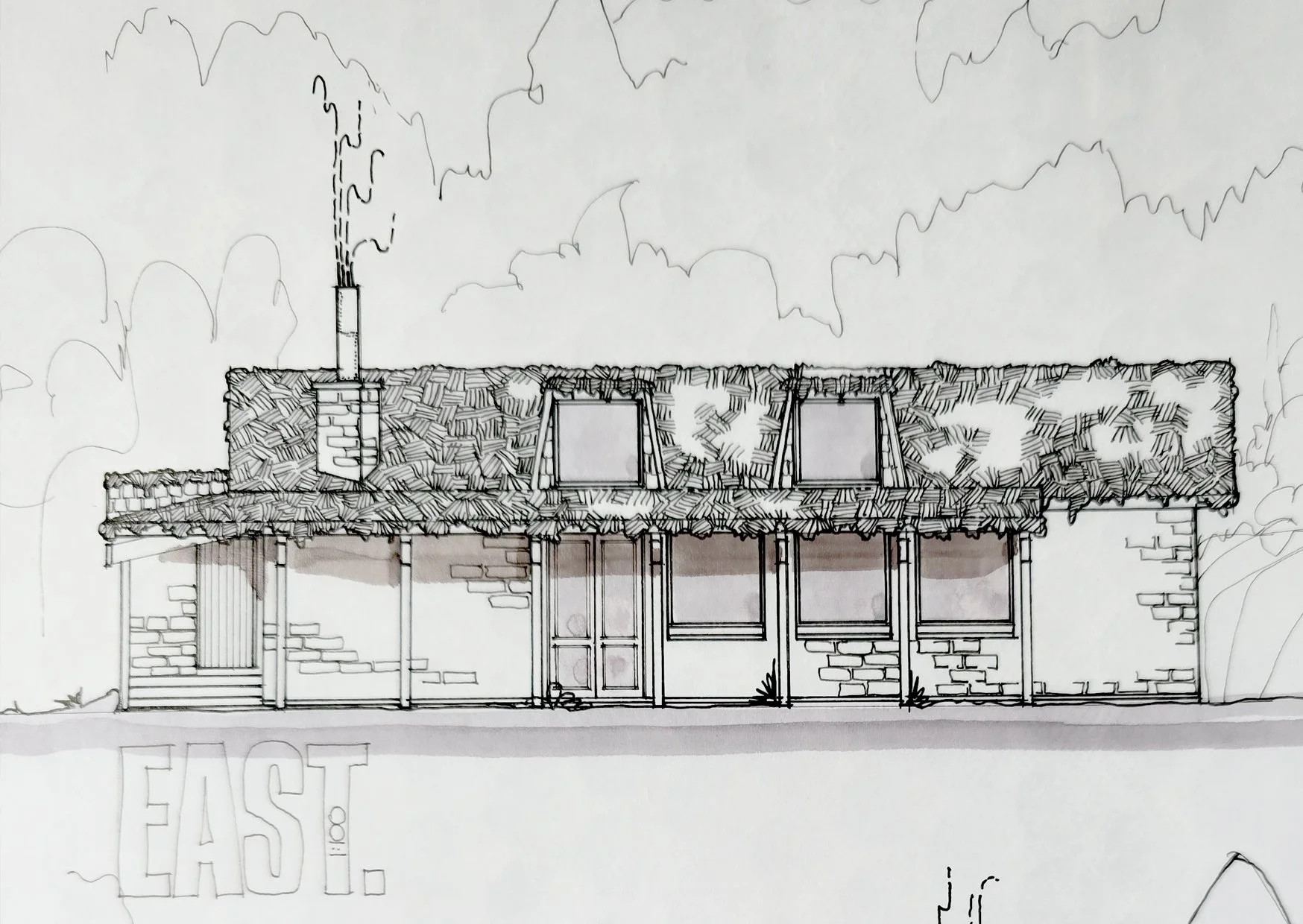
John was registered as an architect in December 1977 and became an active member of the New Zealand Institute of Architects the following year. His professional work mentioned included the limestone cavern house and a retail and administration complex in Te Anau, as well as design involvement in the redevelopment of Steamer Wharf in Queenstown.
But the letters spoke just as strongly about his life beyond projects.
According to the letters, after returning to Invercargill in the late 1970s, John and his wife Anne purchased an older property on two acres. Through sustained effort they transformed it into a family home and landscape retreat. The work included major building alterations undertaken largely by John himself, plus extensive planting, fencing and the creation of a pond. This approach continued professionally, where the outdoor environments created at his Esk Street office property are said to have improved daily experiences for staff and clients.
What emerges is a picture of someone who combined technical skill with practical capability — a designer who also built, repaired, and experimented. Someone whose workshop was as important as his drawing board.
The letters consistently emphasised his character: reliable, hardworking, principled, with strong organisational and supervisory abilities. He was recognised for identifying problems quickly and working toward solutions with determination. Colleagues noted both his design imagination and his ability to collaborate effectively, balancing innovation with sensitivity to people.
One theme appeared repeatedly: energy.
Writers described a person whose enthusiasm influenced those around him — someone who motivated others through commitment, curiosity, and momentum. A professional who embraced new ideas while encouraging collaborators to extend themselves technically when it improved outcomes.
‘A conspicuous motivator’.
These letters are more than references. They are fragments of professional culture — evidence of how reputation, trust, and relationships were built through shared work and lived experience.
They also remind us that, before everything was stored in clouds and databases, archives were physical evidence that a life had been lived — work done, trust earned, connections formed, and impact felt.