The new year brought confirmation of ten re-established polytechnics across Aotearoa New Zealand, including SIT, Ara, EIT, NMIT, Toi Ohomai, Wintec, Unitec and MIT, Otago Polytechnic, UCOL and The Open Polytechnic. It’s a significant moment, but it also raises the question: what could autonomy in the regions enable?
Vocational training in the regions takes a community. Times have changed and so have the needs and aspirations of learners and industries. Industries are pivoting faster than ever, and expecting a centralised, siloed model of education and training to keep up is increasingly risky. Regional providers with local governance are far better placed to understand what is happening on the ground and to develop programmes and delivery modes that respond to real gaps in skills and capability.
While the regional institutions identified as sustainable will be relieved to continue this work, ten polytechnics alone will not fill the skills gaps across the country. Some regions will remain underserved. Learners can move or enrol in online qualifications, but attrition in remote programmes is high because the model simply does not work for many people. Onsite hands-on learning builds communities, and when it comes to work, having access to face-to-face industry and community networks who can support your learning journey is crucial.
One of the most visible gaps is for people already in work. Learning pathways are still largely designed for school leavers, who can dedicate months or years to full-time study. For those in full- or part-time work, often supporting families, this is rarely possible. After more than a decade in the sector, I have seen how limited the options are for people to grow or shift their skills in the places they live and work. We all can and should continue to drive our own learning, and access to online resources has never been greater, but the development of hands-on skills and capabilities that are relevant to regional contexts must be embedded in communities and workplaces. Learning is no longer a destination, as it was once viewed. Upskilling and retraining while in work are now fundamental to supporting thriving regions.
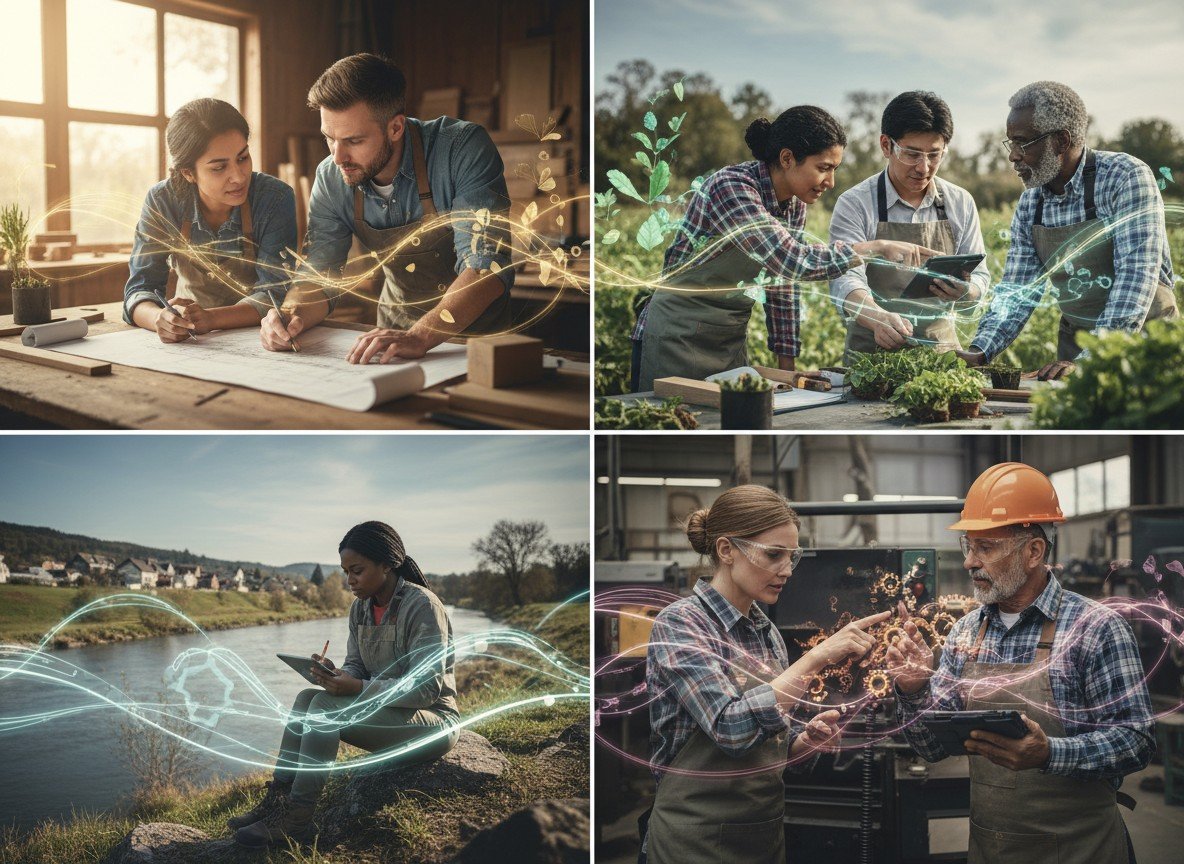
So how might newly announced regional autonomy begin to serve those who are currently underserved? Most regions will not see it as viable or desirable to encourage people to leave to train, nor is it practical for many to do so. Regions now have the chance to establish their own models for growth around identified gaps. There is a real opportunity to reimagine delivery so that learning is embedded in workplaces and local industries, with facilitated, blended training that fits around work rather than requiring people to step away from it. Learning and working life are intertwined, and regions are best placed to determine how skills development connects with their industries and communities.
If we are serious about thriving regions and sustainable local economies, learning must be designed and delivered to fit the lives of learners while strengthening the communities around them. Regional providers, industry partners, and communities can now work together to shape models of vocational learning that are accessible, practical, and deeply connected to local needs. This is how skills development can support both people and places, creating thriving communities where learning is part of everyday life.