Beyond the Logo: Designing Brand-Aligned Spaces That Tell Your Story
What are museums actually selling?
According to Te Ara, New Zealand has one of the highest numbers of museums per capita in the world. The majority of these museums are ‘micro’ (volunteer-led). While undertaking my PhD research, I recorded 40 museums in Southland (2017–2020), suggesting we are likely underestimating the total number of museums across the country. At a time when museums are increasingly competing for funding and attention, what exactly are museums selling? What problem are they solving? And why have ‘micro’ museums proliferated across the country to form the majority of the sector?
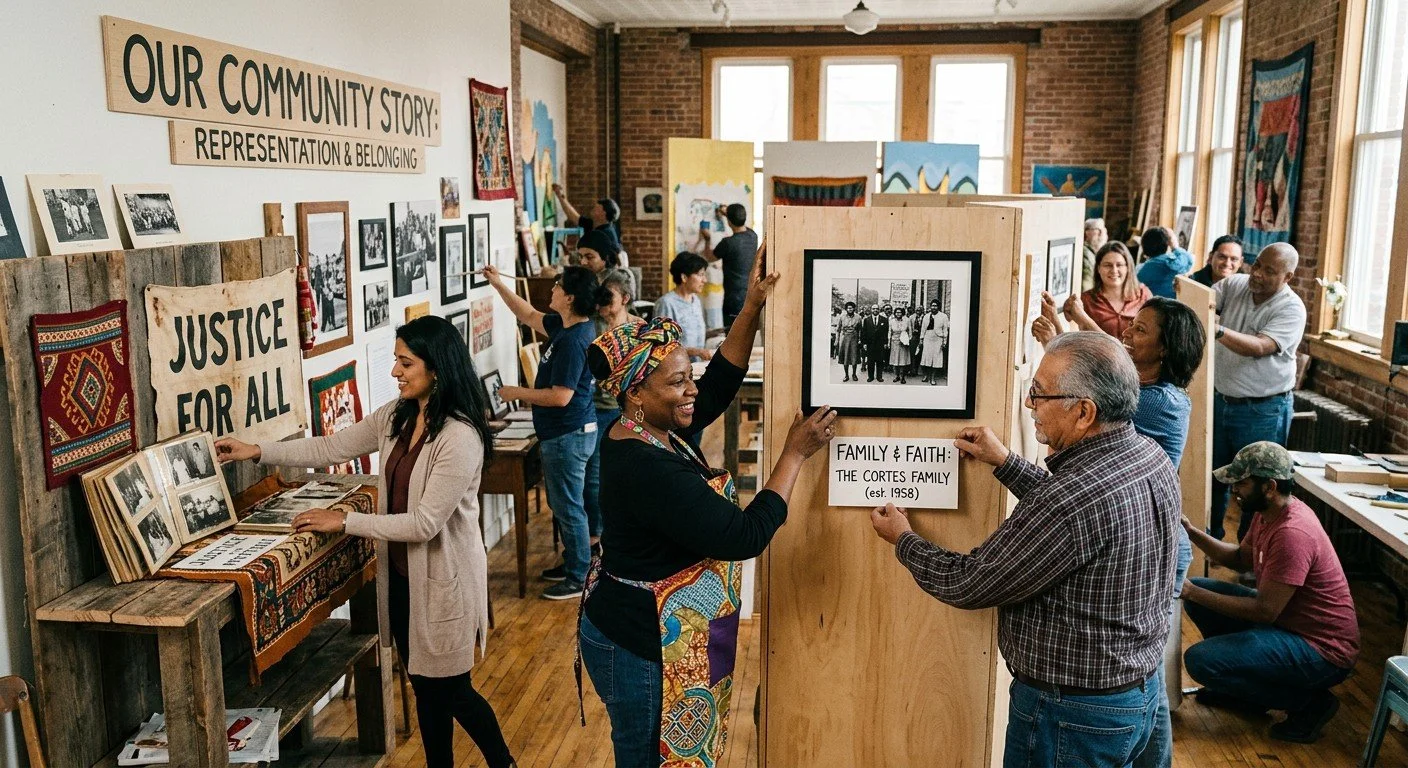
Museums are selling representation and belonging.
Communities don’t engage with museums simply to view collections; they want to see themselves and their communities reflected in the stories being told. When a region establishes a museum, it is often an act of recognition—a way of saying that the lives, industries, struggles, and achievements of local people are stories worth telling.
Because most of our museums are volunteer-led, the people caring for collections often have lived experience connected to them. They may have worked in the industries represented, lived through the events being interpreted, or have family ties to the people whose stories are being told. This proximity gives community museums a distinctive authority, where interpretation is shaped not only by artefacts and archives but by memory, experience, and local expertise.
We often encounter a different model in larger, centralised museums. Many of these institutions grew from micro, community-based foundations that have professionalised. Professionalisation brings many benefits—resources, specialist knowledge, conservation standards, and design expertise. However, it can also shift the focus of museums away from the representation and belonging that underpinned their origins, toward what museum professionals determine to be worthy of interpretation, display, and preservation.
In this model, authority increasingly sits with directors, curators, technicians, designers, and architects who design experiences for communities rather than with them. When communities are positioned primarily as audiences rather than participants, museums can weaken their ability to provide the representation and sense of belonging that first gave them purpose.
This can create a disconnect between museums and the communities that financially sustain them, leaving belonging and representation as unmet needs that will be satisfied elsewhere. This need is not about creating bigger, more impressive buildings, additional climate-controlled collection storage, or hiring more museum professionals. It is about focusing on the problem you solve for the communities who sustain you.
The proliferation of micro museums across New Zealand may already tell us what museums are selling. Where communities find representation and belonging, museums thrive. Where they do not, communities create their own.